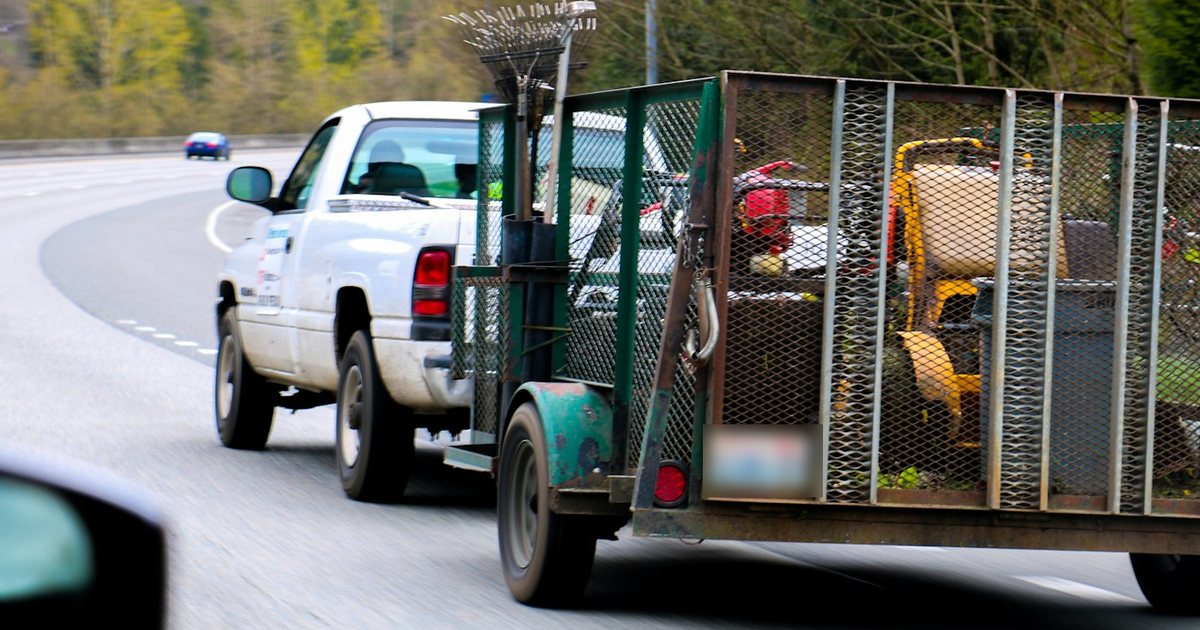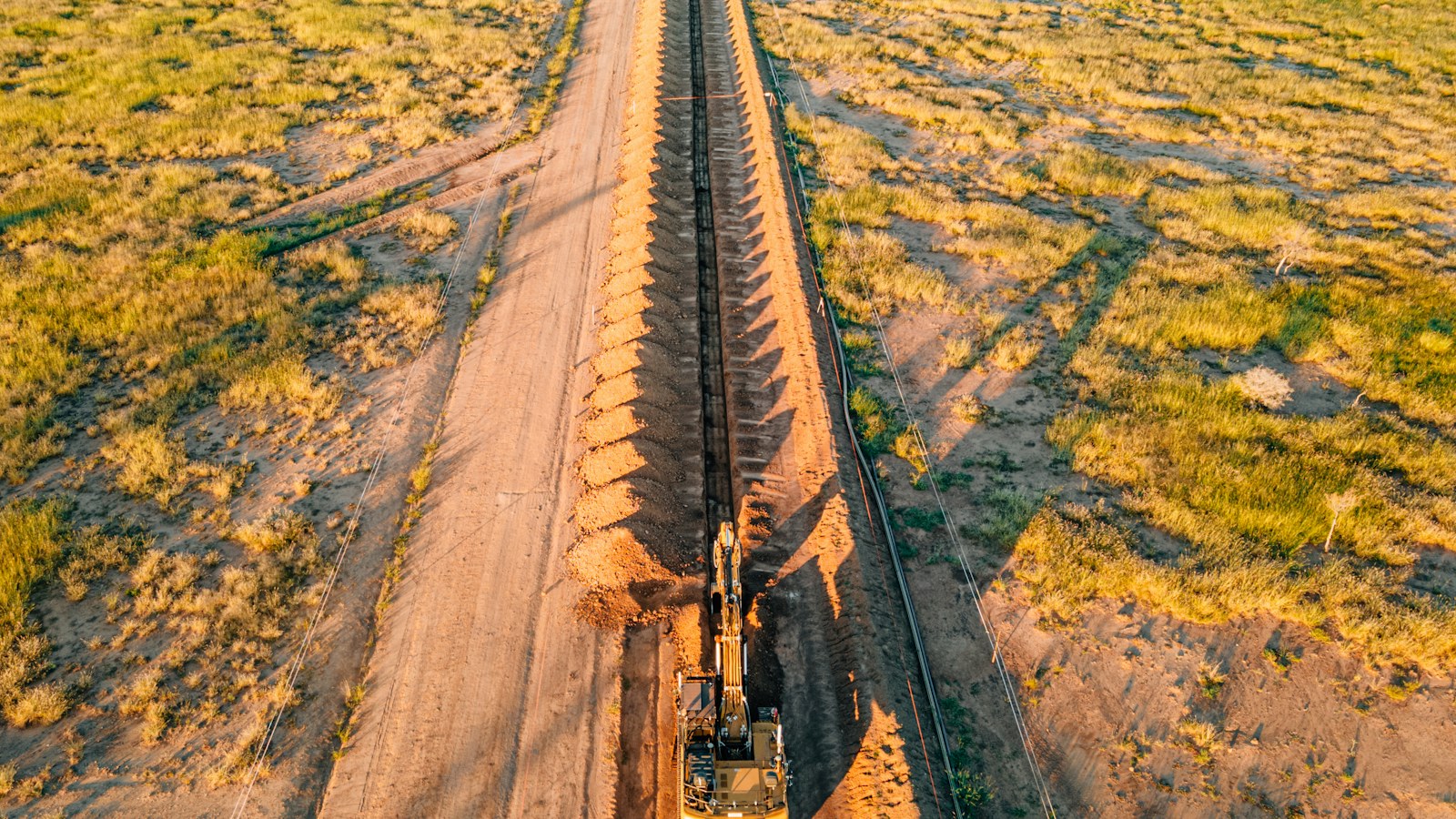
The trencher is a couple of hundred feet into the conduit run when the operator feels it bite into something that is not soil. On a good day what comes up is an abandoned fence wire. On a bad day it is a fiber bundle, and somewhere a carrier’s network operations center is already generating an outage ticket with your parcel at the end of it. On the worst day it is a gas service line, the smell arrives before the radio call, and the next hour belongs to the fire department.
What decides which of those outcomes costs you a morning and which one costs you the project is almost entirely procedural, and almost all of it is settled before the machine starts. There is a statutory process, it is free to use, and the single most valuable thing it produces is not the paint on the ground – it is the evidence that you followed it.
The Rule Behind 811
Every state has a damage-prevention statute requiring anyone who excavates to notify a one-call center in advance so that facility operators can mark their buried lines. 811 is the national number that routes to your state’s center; most centers now take tickets online as well. The notice period is set by state law and is typically two or three full business days – counted excluding the day you file, and excluding weekends and holidays, which is how a Thursday afternoon ticket becomes a Tuesday morning dig.
Three things about that process are routinely misunderstood, and each one causes real damage.
A ticket is not permission to dig. It starts a clock. What authorizes the dig is the responses coming back from every member operator with facilities in the area, plus the marks on the ground. Most centers run a positive-response system where each operator posts a status – marked, clear, or not complete. A silent operator is not a clear operator. Checking positive response before the bucket drops is a thirty-second step that is skipped constantly.
The marks have a tolerance zone, and inside it you do not use the machine. Marks indicate the approximate location of a facility, not its exact position or depth. State statutes define a tolerance zone either side of the outside edge of the marked line – commonly 18 to 24 inches, but the figure is statutory and varies – within which excavation must be done by hand or by vacuum excavation until the facility is exposed. Machine excavation inside the tolerance zone is the most common cause of a strike where a valid ticket was in place, which means the operator did everything right up to the point that mattered.
Tickets expire and marks do not last. Paint fades, flags are mown off or pulled by cattle, and rain erases chalk. Every statute puts a life on a ticket, commonly somewhere between ten days and three weeks depending on the state, after which the dig has to be re-noticed. A multi-week civil package on a mining site will outlive its first ticket, and work continuing on faded marks is work continuing with no legal protection at all.
White-Lining, and Why Rural Sites Need It More
Pre-marking your proposed excavation in white – white-lining – tells the locator exactly where you intend to dig. Some states require it for larger jobs; everywhere else it is strongly encouraged, and on a rural parcel it is effectively mandatory in practice.
The reason is simple. A locator arriving at a 40-acre agricultural parcel with a ticket that describes the dig area as “north of the barn” will either mark far more area than needed, mark the wrong area, or call you. Over-marking wastes nobody’s time but yours – more paint means more tolerance zones to hand-dig through. Under-marking is how a line ends up unmarked inside an area you are about to trench. Walk the route, paint it, describe it in the ticket with coordinates and a driving description, and the locate comes back usable.
The Color Code Is a Standard, Not a Convention
Marks follow the APWA uniform color code, and every member operator uses the same one. Knowing it on sight is the difference between a crew that stops and a crew that assumes:
| Color | What is buried there | What a strike means on a mining site |
|---|---|---|
| Red | Electric power lines, cables, conduit, lighting cables | Immediate danger to the crew, plus an outage that may include your own incoming service |
| Yellow | Gas, oil, steam, petroleum, other gaseous or flammable material | The evacuation case. Stop work, clear the area, call 911 and the operator – in that order |
| Orange | Communications, alarm and signal lines, cable, conduit | Where the consequential damage claims come from – a fiber cut bills far beyond the splice |
| Blue | Potable water | Site water loss, washout of the open trench, possible contamination notice |
| Purple | Reclaimed water, irrigation and slurry lines | Common on agricultural parcels, and frequently privately owned rather than located |
| Green | Sewers and drain lines | Environmental exposure, which pulls in the stormwater and discharge rules |
| Pink | Temporary survey markings | Not a utility – but losing them costs a surveyor’s return visit |
| White | Proposed excavation – the marks you put down | n/a |
The Trap That Catches Mining Sites: Private Lines Are Not Located
This is the part that makes a mining site different from a residential job, and it is where most of the real exposure sits.
The one-call system covers member operators’ facilities – broadly, the utility-owned lines in the public right-of-way and up to the point of service. What it generally does not cover is everything on the customer side of that point: the service lateral past the meter, and every line you or a previous owner installed on the parcel. Nobody is coming to mark those. The locator will mark to the meter and stop.
On a mining site, the customer-side infrastructure is almost everything that matters:
- The medium-voltage feeder from the transformer pad to each container.
- The gas run from the meter, wellhead or compression skid to the units.
- The grounding ring and every ground rod tied into it.
- Data and signal runs between buildings, including the spare path laid while the trench was open.
- Water and septic for crew facilities.
- Whatever the previous occupant of an agricultural or industrial parcel left behind, undocumented.
Two things close that gap. The first is a private locating contractor, hired by you, who sweeps the dig area for customer-owned facilities – a service that exists in most markets and is priced by the visit rather than by the mile. The second is your own as-built record, which is the cheap version and only works if it was created at the time.
Our guide to site preparation and civil works sets out the sequence – survey, geotechnical, clear and grade, trench, pad, equipment – and the single highest-value addition to it is to record and geolocate every run before it is covered, while someone can still see it. An undocumented buried line is a hazard to the next crew and a cost to you, because they will either probe for it or route around it. The same discipline shows up in site connectivity planning, for the same reason.
Gas Country Is Where the Ticket Covers Least
Sites are frequently chosen for stranded or flared gas, which means the parcel sits in a producing field. That is exactly the setting where the statutory one-call ticket does the least work for you.
Transmission and distribution operators are reliably in the system. Production equipment, flowlines and gathering lines are a different matter: membership varies considerably by state, many of these lines are privately owned, and a meaningful proportion of what is in the ground across an older producing field is not represented in any one-call database. Some of it is not represented in any database.
The answer is not to skip the ticket – file it regardless, because it covers what it covers and it creates the record. The answer is to treat the ticket as the floor rather than the ceiling: get the lease operator’s line maps, ask directly about abandoned and idle lines, and daylight every crossing with a vacuum truck before a mechanical excavator goes near it. On a parcel where gas is the reason you are there, the cost of that diligence is small against a flowline strike during construction of the facility that was going to consume the gas.
Three Postures, and When the Cheapest One Is Correct
| Posture | Upfront cost | When it is the right call |
|---|---|---|
| Statutory minimum: ticket, wait, positive response, hand-dig the tolerance zone | Free, plus crew time | Genuinely the right answer on a clean parcel with no previous industrial use, no on-site legacy infrastructure, and a short, shallow, well-defined dig. Do not over-engineer a bare field. |
| Ticket plus private locate of customer-owned facilities, plus vacuum daylighting at every crossing | Moderate, priced per visit | The default for any site with existing on-site infrastructure, any second-phase trenching near live runs, or any parcel whose history you cannot fully document. This is where most mining buildouts belong. |
| Full subsurface utility investigation before design, with the results surveyed onto the drawings | Highest | Former industrial, oilfield or utility-corridor parcels, and any site where a strike would take down a third party’s service. Overkill on a bare agricultural pad, and worth every dollar on a brownfield. |
What a Strike Actually Costs
The repair is rarely the expensive part. The exposure stacks up in layers:
- The operator’s direct costs – emergency crew, materials, restoration, and the administrative charge that comes with all of it.
- Consequential damages, which is where a telecom strike becomes serious. A severed line affects the owner’s own customers downstream, and those losses are pursued. They can exceed the physical repair by a wide margin, and that is the single reason orange paint deserves more respect than it usually gets.
- Statutory penalties. A number of states run damage-prevention enforcement programs with the power to fine excavators who dig without a ticket, and to fine operators who fail to mark.
- Injury, which on a gas or electric strike is the whole point of the rule and not a financial question at all.
- Schedule. A strike stops work on the whole site, not just the trench, and it typically arrives during the civil phase when every downstream milestone – pad, set, tie-in, energization – is already stacked behind it.
The flip side is the part worth internalizing: where you filed a valid ticket, waited the statutory period, confirmed positive response, respected the tolerance zone and photographed the marks, most state statutes shift liability toward the operator who mis-marked or failed to respond. The ticket number, the response record and a timestamped photograph of the marks before you dug are the best evidence you will ever have, and all three are free. Where no ticket exists, the analysis in most states is short and unfavorable.
The Digs Nobody Tickets
Most statutes define excavation broadly – any operation that moves earth, rock or other material below the surface, by any means. The first trench always gets a ticket. These frequently do not:
- Driving ground rods for the grounding system, which go deeper than people assume.
- Fence posts and gate posts along a boundary, and sign posts at the entrance.
- Anchor rods and helical piers for a tower, mast or guy line.
- Soil borings for the geotechnical investigation – which happens before anyone feels like the project has started.
- Grading and topsoil stripping, which routinely cuts deeper than the drawing says.
- Phase two: adding containers, a second pad or a new conduit run, months later, next to live runs nobody has marked since the original build.
Each of those is an excavation. Each needs its own ticket, and the phase-two case needs the private locate as well, because by then the most dangerous lines in the ground are the ones you installed.
A Checklist Before the First Bucket
- White-line the proposed dig area and describe it in the ticket with coordinates, not landmarks.
- File the ticket and wait the full statutory period – count business days, excluding the filing day, weekends and holidays.
- Check positive response and confirm every member operator has actually answered. Do not interpret silence.
- Photograph the marks with a timestamp, and preserve them for the duration of the work.
- Hand-dig or vacuum-excavate the tolerance zone either side of every mark until the facility is exposed.
- Arrange a private locate for customer-owned lines, and get the lease operator’s maps on a producing parcel.
- Diary the ticket expiry and re-notice before the marks age out or the work extends.
- Record and geolocate every run you install before backfill, and put the as-built somewhere the next contractor will find it.
- Write the strike procedure down before you need it: stop, clear, call 911 for gas, then the operator, then photograph – and make sure the person running the machine knows it.
None of this is difficult and none of it is expensive. Like the federal wetland question and the electrical inspection sequence, it belongs to the pre-construction phase where it costs a form and a phone call, rather than to the construction phase where it costs a shutdown. It is also, like drainage, one of those items with no natural owner on a split-contract job: the EPC assumes the civil contractor filed, the civil contractor assumes the owner did, and the trencher starts on schedule.
Operators deploying into established hosted capacity do not carry any of this – the ground is already opened, documented and energized. Hosted capacity is the shortest path when the civil phase is the part you would rather not own; if you are building your own site, get in touch and we will walk through the underground scope before anyone orders a trencher.
Explore Rax Mining
- Bitcoin Miner Hosting — Tiered rates from $0.085/kWh, NatGas from $0.055/kWh
- NatGas MDU Units — 1MW modular datacenter containers
- Mining Profitability Calculator — Estimate your mining returns
- Our Facility — Tour our mining infrastructure