A containerized mining deployment is sold as the fast option, and it is. The container arrives built, tested and wired. What determines whether it is running three weeks after the order or three months after is almost never the container. It is the ground it has to sit on, and the civil work nobody put a line item against.
The pad carries more than you think
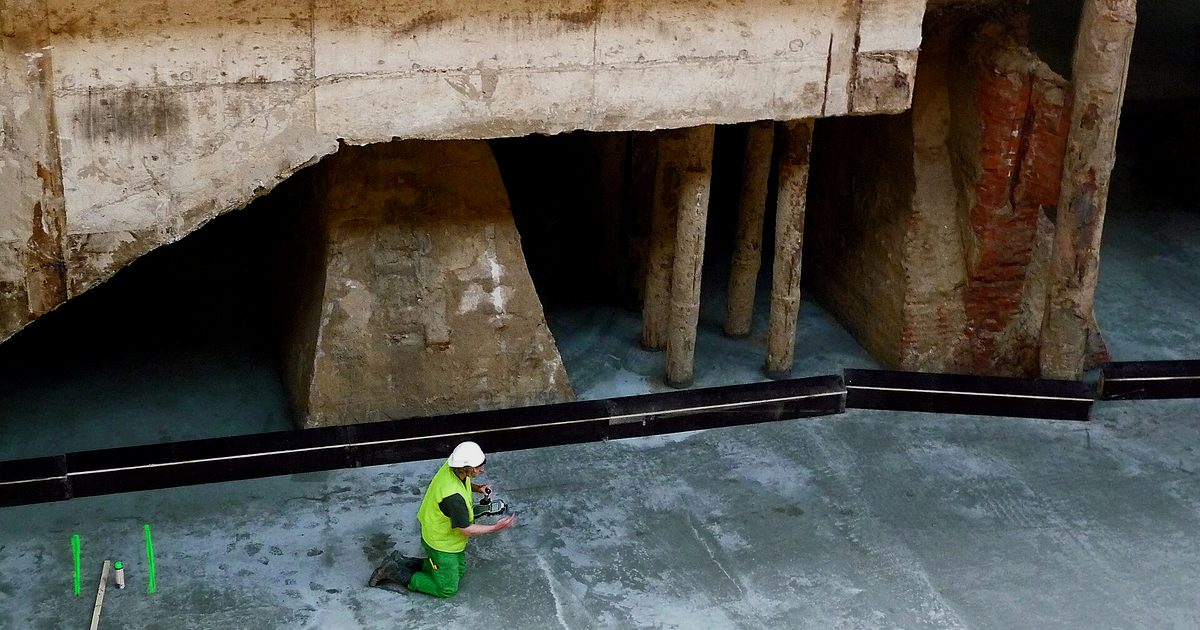
A loaded mining container is a concentrated, static load sitting on a small footprint, and it does not move again once placed. That makes bearing capacity the first question, not an afterthought. Soil that looks firm in August can behave very differently after a wet spring, and a pad that settles unevenly puts the container frame out of level.
Out of level is not cosmetic. Doors stop sealing, which matters on a unit engineered around controlled airflow. Panels load unevenly. On immersion units it changes fluid behaviour. Correcting settlement after the fact means lifting a loaded container, which means a crane returning to a site that was never designed for a second crane visit.
The usual answers are a compacted aggregate pad or a poured concrete pad. Aggregate is cheaper, faster and can be remediated. Concrete costs more, takes cure time and is effectively permanent, but it is predictable and it handles freeze-thaw and heavy rain far better. Which one is right depends on how long the site is expected to run and how much the ground moves, which is a question for a geotechnical look rather than a guess from the road.
Drainage decides how long the site lasts
Water is the single most common cause of avoidable civil problems on remote pads. Gear sits outdoors. Cable trenches run under it. Every piece of that assembly degrades faster if water collects rather than leaves.
Grading the pad so that water runs away from equipment, rather than pooling beneath it, is cheap at construction and expensive to retrofit. So is thinking about where that water then goes. A pad that sheds water neatly into the access road has solved one problem by creating another, because a washed-out access road is what stops the service truck arriving on the day the compressor fails.
In cold climates the same grading question becomes a freeze question. Standing water that freezes around a container base heaves, and heaving undoes level.
Access is a delivery constraint and a service constraint
Two different vehicles need to reach the pad, and they have different requirements.
The first is the delivery. A container arrives on a truck and usually needs a crane or a specialist trailer to place it. That requires road width, turning radius, overhead clearance and ground firm enough to carry a crane’s outriggers. Sites get selected on gas availability and power economics and then discovered to be at the end of a track no low-boy can negotiate.
The second is ongoing service. Once the unit is placed, the traffic is pickups and service vehicles, repeatedly, in all weather. A road good enough for one dry-day delivery is not necessarily a road good enough for four years of maintenance visits. The two should be specified separately.
Spacing, airflow and the fence line
Containers reject a large amount of heat and they reject it into the air immediately around them. Placing units too close together, or orienting them so that one unit’s exhaust is the next unit’s intake, produces recirculation. The symptom is machines running hotter than spec for no apparent reason, and the fix after the fact is moving a container.
Prevailing wind direction belongs in the layout decision. So does the fence line, because noise and setback requirements frequently set how close equipment can sit to a boundary, and those requirements are local. Our guide to containerized mining versus permanent buildings covers the wider trade-off between the two approaches.
Cold and hot climates change the civil scope
The same pad specification does not travel. In cold climates frost depth governs how deep footings and buried services must sit to avoid heave, and the pad has to shed meltwater rather than trap it against the container base. In hot, arid climates the problems invert: dust is the dominant maintenance driver, and a pad surface that generates fines will push that dust straight into filters that were sized for cleaner air.
Both cases are solvable, and both are cheaper to solve during construction. Surfacing choice, the width of the cleared area around each unit and whether the approach road is sealed or loose all follow from which problem the site actually has.
Everything underground happens before the container arrives
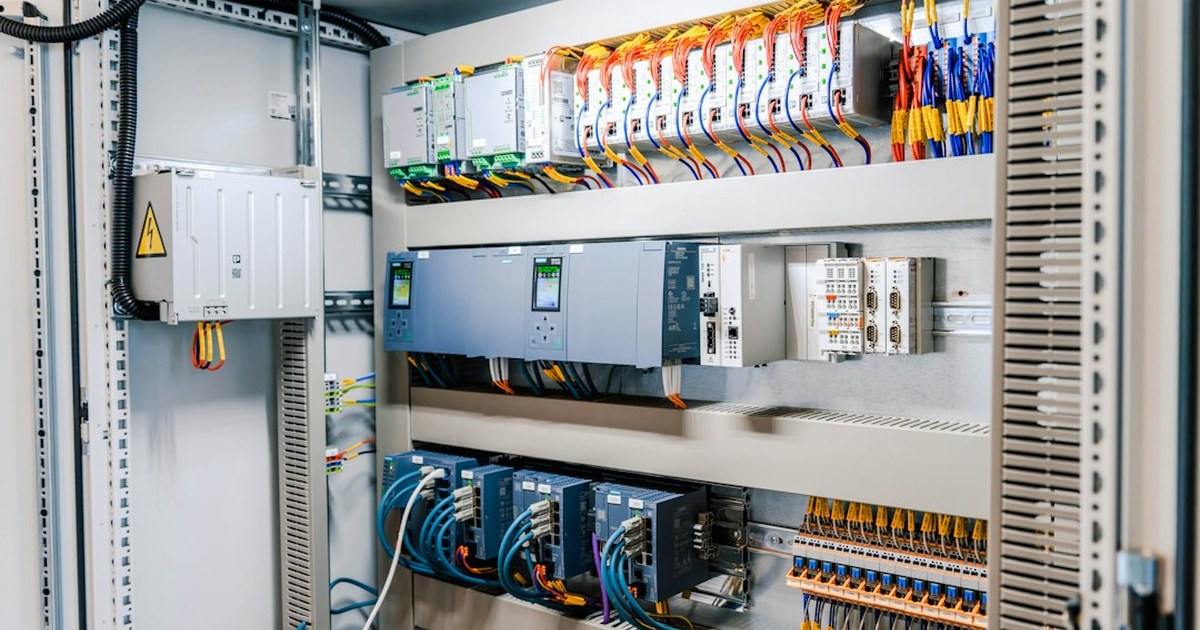
Conduit, grounding and any buried gas or water line has to be in the ground before a container is set on top of the area it runs through. This sounds obvious and is routinely got wrong, because civil work and equipment delivery are often managed by different parties working to different schedules.
The sequencing that works is unglamorous: survey, then geotechnical, then clear and grade, then trench and lay conduit and grounding, then build the pad, then set equipment, then terminate. Each step forecloses the one before it. Trenching after the pad is poured means cutting the pad.
Grounding deserves particular attention because it is both a safety system and a protection system for expensive electronics, and because soil resistivity varies enormously by site. A grounding design copied from a previous project on different ground is not a design.
Permitting runs in parallel, not after
Civil work is where permitting usually bites, because it is the visible, physical part of the project. Depending on jurisdiction that can mean grading permits, stormwater provisions, electrical inspection, setback and noise compliance, and sometimes road-use agreements for heavy delivery traffic.
The timeline risk is not that any single approval is hard. It is that approvals are sequential and each has its own queue. Starting them when the container ships is how a three-week deployment becomes a three-month one. Our article on selecting and managing EPC contractors goes further into how this work gets packaged and who carries which obligation.
A realistic scope checklist
- Has anyone looked at the soil, or is bearing capacity being assumed?
- Aggregate or concrete, and on what basis was that decided?
- Where does water go when it leaves the pad, and what does it cross on the way?
- Can a crane and a low-boy physically reach the location, and can the ground carry outriggers?
- Is the access road specified for years of service traffic, not just one delivery?
- Does the layout account for prevailing wind and exhaust recirculation between units?
- Is all trenching, conduit and grounding complete before equipment placement?
- Which permits apply, and were they started in parallel with procurement?
The practical point
Civil work is the least interesting part of a mining deployment and the part most likely to set the schedule. It is also the part that is cheapest to get right at the start and most expensive to correct once a loaded container is sitting on it.
Rax Mining deploys natural gas modular data units to sites that range from prepared industrial ground to bare lease pads, and the site work is scoped explicitly rather than assumed. If you are evaluating a location and want a view on what the ground work will actually involve, get in touch before the equipment is ordered.
Explore Rax Mining
- Bitcoin Miner Hosting — Competitive rates from $0.075/kWh
- NatGas MDU Units — 1MW modular datacenter containers
- Mining Profitability Calculator — Estimate your mining returns
- Our Facility — Tour our mining infrastructure