Buying a containerised mining unit is a procurement decision. Receiving one is a logistics problem, and it is the part most first-time buyers plan last.
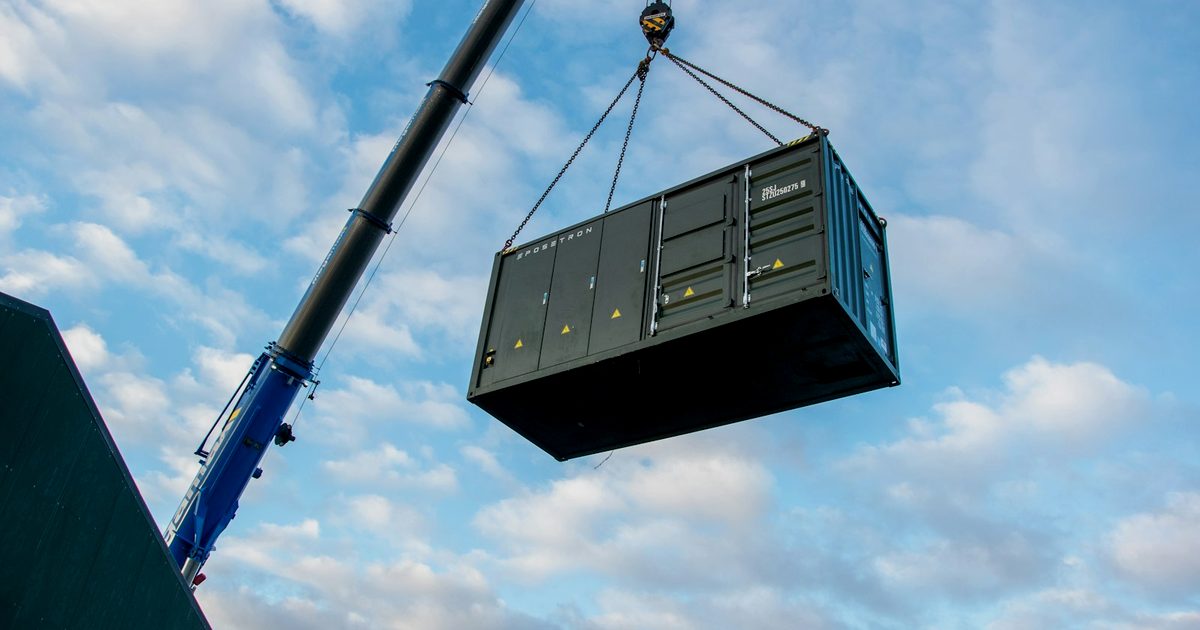
A 1MW container is not a delivery. It is an oversize load that arrives on a lowboy, needs a crane that has been sized in advance, and lands on a pad that either is ready or is not. The gap between those two states is where schedules slip and standby charges start.
What the delivery actually involves
There are three separate jobs, often three separate vendors, and they have to agree on a date. The haul moves the unit from the fabricator to your site. The crane lifts it off the trailer and places it. The site crew receives it, levels it, and ties it in.
Each one bills differently. The haul is usually a fixed route price plus permits. The crane is a day rate with a minimum, plus mobilisation both ways. The site crew is yours. If any one of the three is not ready, the other two still bill.
The pad has to be ready before the truck leaves
This is the single most common cause of a failed set. A container that arrives to an unfinished pad either waits on the trailer, at demurrage, or gets set on ground that will move under it.
Ready means cured, not poured. It means the elevation is correct and verified, the surface is level within the tolerance the fabricator specified, and conduit stubs and gas penetrations come up where the drawings say they do. Our guide to site preparation and civil works for containerised mining covers what that involves.
Confirm the pad with the person who will sign for the set, not with the contractor who poured it. Those are different incentives.
Route survey and oversize permits
A 40-foot container on a lowboy is over-height and usually over-width. That means state permits, and permits mean routes, and routes mean bridges, overhead lines and turning radii that someone has to actually check.
The things that stop a load are rarely exotic: a low railway bridge, a utility line crossing a county road at a height nobody recorded, a final turn into the site that a 70-foot combination cannot physically make. A route survey finds these on paper. The alternative is finding them with the load on the trailer.
Permits are also time-bound and often day-of-week restricted. Oversize movement is commonly prohibited at night, on weekends, and through holiday periods. That constrains your crane date more than most people expect.
Sizing the crane
Crane capacity is not a single number. A crane rated at 100 tons is rated at 100 tons at a short radius, close to the machine. What matters is the capacity at the radius you actually need, which depends on where the crane can set up relative to where the container has to land.
The inputs the crane company needs are the weight of the unit as shipped, its dimensions, the lift radius, and any obstructions overhead or underfoot. Give them the fabricator’s shipping weight, not the dry weight, and tell them if anything is installed inside.
Outriggers need bearing. On soft or recently worked ground the crane needs mats, and mats need to be on site before the crane is. A crane that cannot set up is a crane you pay for anyway.
Lift points, spreaders and why you do not improvise
Containerised units have designed lift points. Use them. A spreader bar keeps the slings vertical and the load off the container walls; without one, angled slings put compression into the structure it was not designed to take, and the damage is usually to the panels and seals rather than anything dramatic.
If the fabricator supplies a lifting plan, it governs. If they do not, ask for one before the unit ships. “We have always just picked them from the corner castings” is a statement about luck, not about engineering.
Placement tolerance matters more than people expect
A container that lands 200mm off position is not obviously a problem until you try to connect it. Gas penetrations, electrical stubs and any external radiator or fuel skid were all located against a drawing. Move the box and you move the alignment of everything that connects to it.
Mark the footprint before the crane arrives, agree the orientation explicitly, and have the person who understands the tie-ins present for the set. Rotating a container 180 degrees because the door ended up facing the fence is a second crane day.
What actually delays a set
In rough order of how often they appear:
The pad is not cured or not level. Permits came back late or restricted the travel day. Weather, which stops a crane at a wind speed lower than people assume and stops it for the whole day rather than for the gust. The crane could not set up because of ground conditions or an overhead line nobody flagged. The unit arrived with transit damage and the decision to accept or reject it had not been pre-agreed. The site access road will not carry a loaded lowboy.
Almost all of these are discoverable a week out by someone walking the site with the route and the lift plan in hand.
Sequencing the tie-ins
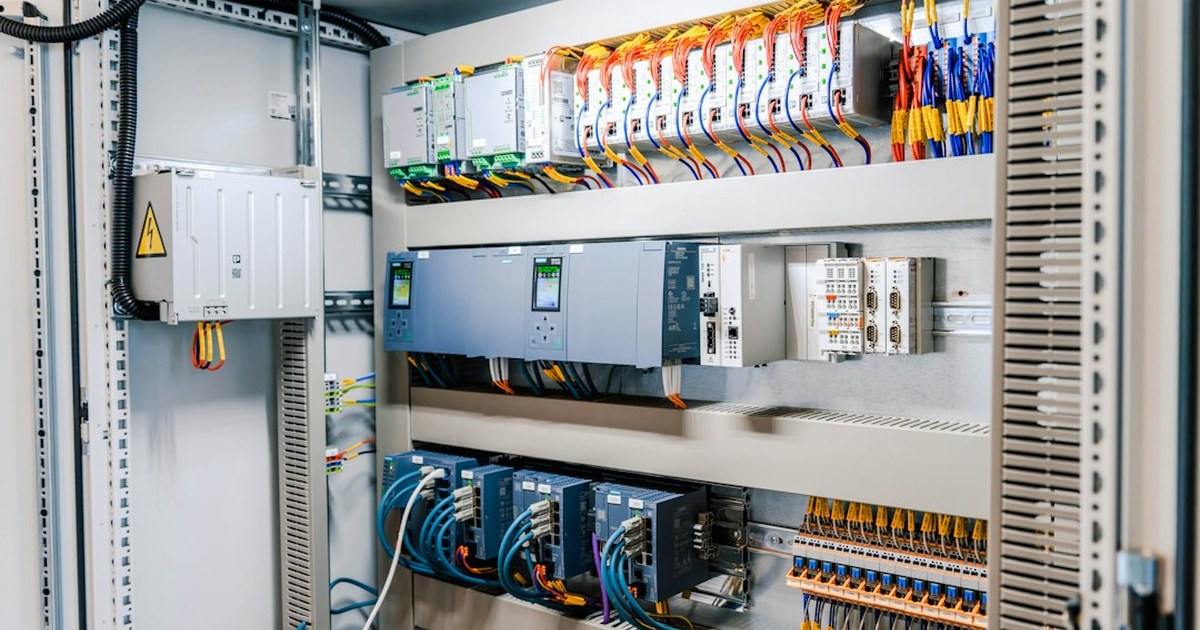
The set is the start of the work, not the end. Once the unit is on the pad it needs levelling and anchoring, then gas, then power, then controls, then commissioning. Each one has a different trade and most have an inspection.
Gas tie-in in particular is usually the long pole, because it involves a qualified fitter, a pressure test, and often a third-party sign-off before anything is lit. If the gas side depends on a wellhead connection or compression, wellhead gas compression and gas quality conditioning both need to be settled before the engine runs, not after.
On the electrical side, transformer and switchgear availability is frequently the real constraint on an energisation date. Transformer lead times are worth checking at the point you order the container, not at the point you set it.
Questions to ask before you schedule the crane
What is the shipping weight and are there any installed contents? What radius will the crane work at, and what is its rated capacity at that radius? Has anyone walked the final approach with the trailer dimensions? Is the pad cured, surveyed and signed off? Who accepts or rejects the unit on arrival, and on what criteria? What is the standby rate if the set cannot proceed, and who carries it?
That last question is the one that changes behaviour. When the standby cost has an owner, the pad tends to be ready.
The practical point
The crane is on site for a few hours. Everything that determines whether those hours go well happened in the three weeks before, and almost none of it is technically difficult. It is coordination between a fabricator, a hauler, a crane company and a site crew who have never worked together and will not again.
Rax Mining delivers and sets NatGas modular datacentre units as part of the supply, which means the haul, the lift plan and the pad specification are coordinated against one schedule rather than three. If you are planning a deployment and want the delivery sequence mapped before you commit to a date, speak to our team.
Explore Rax Mining
- Bitcoin Miner Hosting — Competitive rates from $0.075/kWh
- NatGas MDU Units — 1MW modular datacenter containers
- Mining Profitability Calculator — Estimate your mining returns
- Our Facility — Tour our mining infrastructure