When a Bitcoin mining operator evaluates a new hosting site or a dedicated facility, the conversation often centers on the easily quantifiable: electricity cost per kilowatt-hour, uptime SLAs, and network connectivity. What gets less attention — until it becomes a critical path delay — is the electrical infrastructure that must exist before a single ASIC can be energized. Transformers, substations, switchgear, and the long procurement lead times that accompany them are the difference between a 60-day deployment and a nine-month ordeal.
For hosted miners, this matters even when you’re not building the facility yourself. If your hosting provider is still waiting on a transformer delivery, your contract start date moves right along with it. Here’s what every mining operator should understand about the electrical infrastructure that underlies every megawatt of mining capacity, and why lead times are the quiet bottleneck in so many facility expansions.
The Transformer Bottleneck: Why 12+ Months Is Now Normal
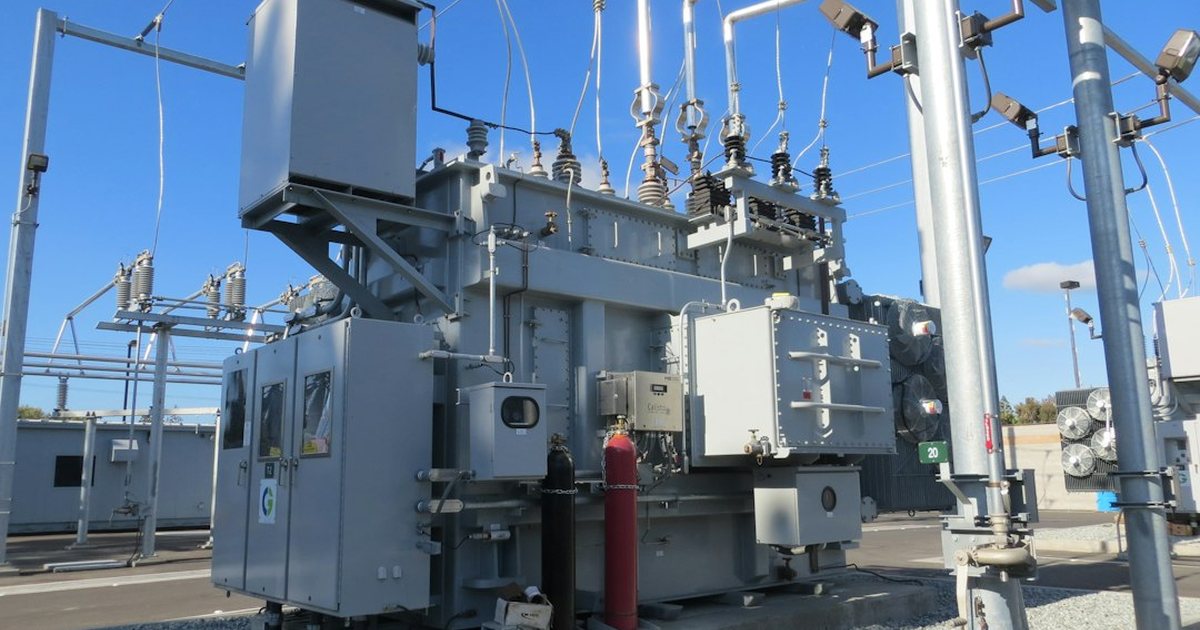
Power distribution transformers — especially large-capacity units in the megavolt-ampere (MVA) range required for megawatt-scale datacenters — are long-lead-time items even under normal market conditions. As of late 2026, industry reports consistently cite procurement lead times of 12 to 18 months for medium-voltage distribution transformers, and up to 24 months for large power transformers. If you’re planning a 10 MW deployment that requires custom-transformer installation, the order date for that transformer sets your project’s earliest realistic go-live date — and moving that order date later is trivial; moving it earlier is impossible.
What Drives These Lead Times?
Several structural factors explain why transformers are so slow to manufacture and deliver:
- Custom engineering for each unit. Transformers in the MVA range aren’t off-the-shelf components. Each unit is typically custom-designed for the site’s voltage, frequency, cooling method, and load characteristics. For mining operations, which often present near-constant high-load factors, 24/7, the transformer’s thermal design needs to accommodate continuous full-load operation — a more demanding profile than many commercial or industrial applications.
- Specialized materials and component shortages. Large transformers require electrical steel, cooling oil, and high-grade copper winding – all of which have seen supply constraints. Competing demand from grid modernization projects, renewable energy deployments, and AI datacenter construction has given manufacturers backlogs that extend for months.
- Factory capacity constraints. The number of factories worldwide capable of building high-capacity transformers is limited, and the production process itself is labor-intensive and time-consuming. Ramping production isn’t just a matter of buying more raw materials – it requires specialized workforce and production lines that don’t scale quickly.
- Transportation and installation logistics. Large transformers can weigh well over 100 tons and require special transport, permits, escorts, and route clearance. Once on-site, installation requires heavy-lift equipment and skilled labor. These steps add weeks to the procurement cycle even after the unit leaves the factory.
The Substation Guestion: Who Pays and How Long Does It Take?
Substations — the electrical hubs where medium-voltage from transmission lines gets stepped down to distribution voltages — are another critical piece of infrastructure that usually requires utility involvement, considerable capital, and long lead times.
The key questions for any new mining facility are:
- Does the site have sufficient existing substation capacity to serve the load? If yes, deployment can proceed on a timeline driven by building construction and ASIC shipment. If no, the project enters a different category.
- If a new or upgraded substation is required, who pays for it? Utility contracts differ. In some cases, the customer funds the upgrade directly — sometimes recoverable through credits over time, sometimes not. In others, the utility invests but passes the cost through in rates or upfront facility charges.
- How long will the substation work take? Building a new substation or significantly upgrading an existing one is not a quarterly project — it’s often a multi-year project that involves permitting, environmental reviews, engineering, long-lead equipment procurement, construction, and commissioning. A two-year timeline isn’t uncommon.
Interconnection Queues: The Invisible Bottleneck
Even when the equipment is available, the process of getting approval to connect a large load to the grid can take months or longer. Interconnection studies, network impact assessments, and queuing behind other projects all add time. In ISO/RTO markets, new generation or large load projects typically enter a queue for interconnection study review, and the study alone can take 18 to 36 months in congested markets.
For a mining operator looking at a greenfield site, interconnection queue times are often the first signal that a “ideal” location is actually not deployable within a reasonable timeframe.
Switchgear, Protection, and Controls
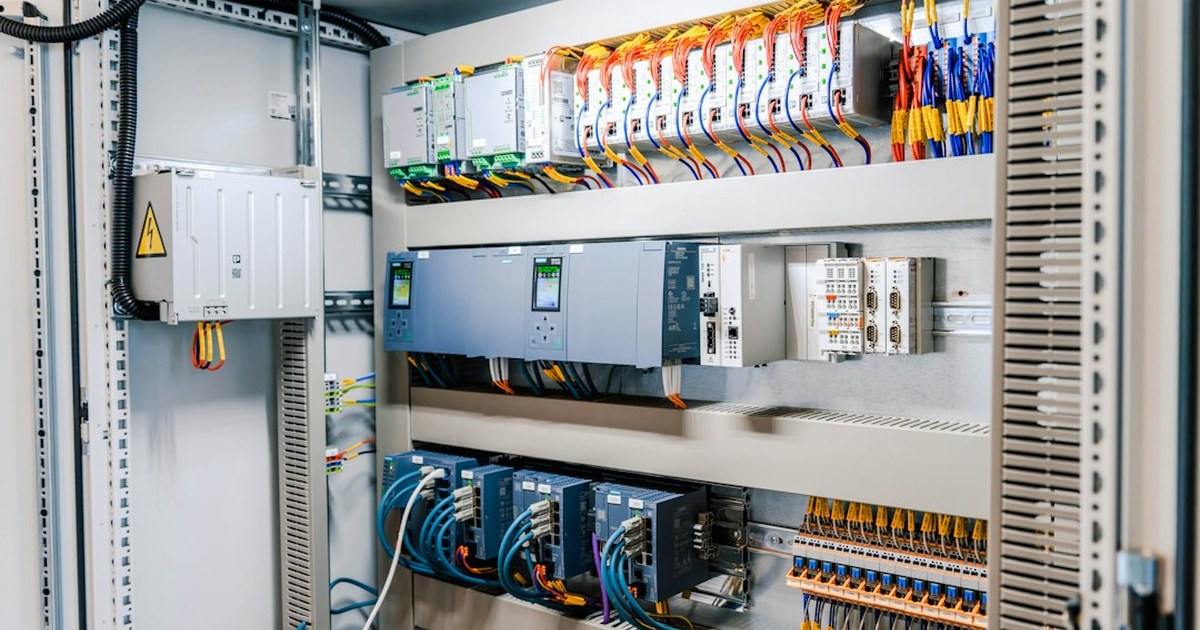
Beyond transformers and substations, every megawatt-scale facility requires switchgear, protective relays, metering equipment, and grid-compliance controls. While these components rarely have the dramatic lead times of transformers, they carry their own complexities:
- Medium-voltage switchgear: 4 to 8 months, depending on customization and manufacturer backlog
- Protective relay packages: 3 to 6 months
- Metering and SCADA integration: 2 to 6 months for design, procurement, and commissioning
- Grid compliance and protection systems: 3 to 9 months, including engineering review, equipment procurement, and utility approval
These components often run in parallel with the longer-transformer procurement, but without them, no facility gets energized.
What This Means for Hosted Miners: The Right Questions to Ask
If you’re evaluating a hosting contract — especially one at a new or expanding facility — the electrical infrastructure situation is worth probing before signing:
- Transformer status: Have the transformers been ordered? Delivered? Installed? If they’re still on order, what’s the delivery date, and is it backed by a manufacturer commitment or an estimate?
- Substation capacity: Does the existing substation have the capacity to serve this facility, or does it require an upgrade? If an upgrade is required, who’s funding it, and what’s the completion timeline?
- Interconnection status: Has the interconnection with the utility been finalized and approved, or is it still in study? If in study, what’s the projected completion date, and what risks could delay it?
- Switchgear and protection systems: Are these systems installed, tested, and commissioned, or are they still in procurement or utility review?
- Backup equipment and redundancy: If a transformer fails, how long would a replacement take, and is there any redundancy built into the facility design?
These aren’t gotcha questions — they’re basic diligence for any large-scale industrial load. But in a high-velocity industry that often moves faster than electrical infrastructure can, they’re the difference between a hosting contract that starts in 60 days and one that starts in 60 weeks.
The Alternative: Pre-Built Capacity with Electrical Infrastructure Already in Place
For hosted miners who need capacity now rather than next year, NatGas-powered Modular Datacenter Units eliminate most of the grid-dependent infrastructure bottlenecks. Each 1 MW unit is essentially a self-contained datacenter with its own on-site generation, eliminating the need for utility-transformers, substation upgrades, and interconnection studies. Deployment timelines: typically 60 days from site approval to commissioning — a speed unattainable for most grid-tied deployments.
Rax Mining operates NatGas-powered facilities across 27 states with Bitcoin mining hosting rates starting at $0.075/kWh, with transformer and infrastructure already in place. If you’re trying to avoid a 12-month lead time while your current facility waits for a transformer delivery, shop available capacity or contact +q-718-766-8559 / info@rax.ae to discuss immediate-start options.
A Short Pre-Deployment Checklist
Before committing to a new facility or a major fleet expansion:
- Get a written timeline for transformer delivery with the manufacturer’s name and confirmation number
- Verify substation capacity directly with the utility or an independent engineering review
- Check the current interconnection queue status in your region – ISOs often publish queue lengths and average study times
- Ask whether any switchgear or protection equipment is still in engineering or regulatory review
Don’t treat “planned” and “installed” as interchangeable when it comes to electrical infrastructure – a single delayed transformer can shift a full-facility go-live by a year.
Electrical infrastructure doesn’t get the attention that $/kWh rates or network uptime do, but it’s often the slowest part of the path to an operational facility. Knowing where the infrastructure stands before signing a hosting contract can save months — and can turn a “great rate” into a great facility that actually comes online in time to mine Bitcoin next cycle rather than the one after.
Explore Rax Mining
- Bitcoin Miner Hosting — Competitive rates from $0.075/kWh
- NatGas MDU Units — 1MW modular datacenter containers
- Mining Profitability Calculator — Estimate your mining returns
- Our Facility — Tour our mining infrastructure