The containers showed up on schedule. The miners showed up two weeks later, on time, exactly as promised. The transformer that was supposed to connect both of them to the grid did not, because it was never going to: it had been ordered the same week the site was permitted, and the manufacturer’s quoted lead time was fourteen months. The operator had built a facility and bought a fleet around a go-live date that the single longest-lead item on the entire project could not possibly meet.
This is not a planning failure in the usual sense. Everyone involved did the obvious things in the obvious order: permit the site, order the hardware, order the transformer. The problem is that transformer manufacturing runs on its own clock, measured in months, while a mining fleet’s carrying cost runs on a clock measured in days. See our breakdown of why transformer lead times now routinely run past a year for the mechanics of why that gap exists. This piece is about what to do with a fleet that is ready before the permanent electrical infrastructure is, because “wait” is a decision with a cost, not the absence of one.
The Option Nobody Budgets For: Temporary Power
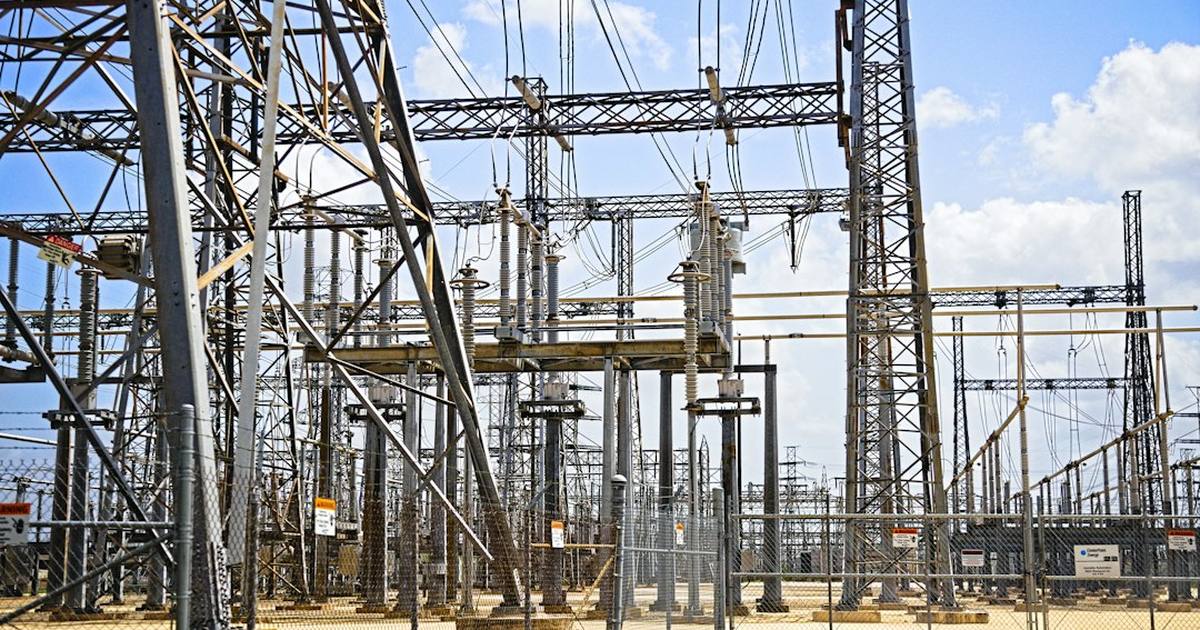
Utilities and large industrial sites have faced this exact mismatch for decades, for reasons that have nothing to do with Bitcoin: a substation transformer fails and the replacement is months out, a new industrial load needs power before the permanent interconnection is built, or a planned outage for maintenance cannot leave a facility dark. The standard answer in all three cases is temporary power — trailer-mounted or skid-mounted transformers and switchgear, built to be trucked to a site, dropped on a temporary pad, and tied in for weeks or months rather than installed permanently.
A mobile substation is not a smaller version of a permanent one with wheels bolted on. It is engineered around a different constraint. A permanent pad-mounted transformer is designed to be as efficient and as large as the site and budget allow, because it will sit in one place for decades. A mobile unit is designed to survive being loaded on a truck, driven down a highway, and unloaded at a site with minimal rigging — which caps its weight, and therefore its capacity, well below what a custom permanent unit of the same voltage class can deliver. The practical result: a mobile substation is almost always a smaller, standardized unit rented to bridge a gap, not a permanent capacity solution rented instead of bought.
What Temporary Power Does and Does Not Solve
The appeal of a mobile substation is that it sidesteps the manufacturing bottleneck entirely. Rental fleets exist specifically because the units are already built, tested, and sitting in a yard somewhere — you are not waiting on a factory, you are waiting on a truck and a crew. That collapses the longest part of the delay from months of manufacturing to days of logistics.
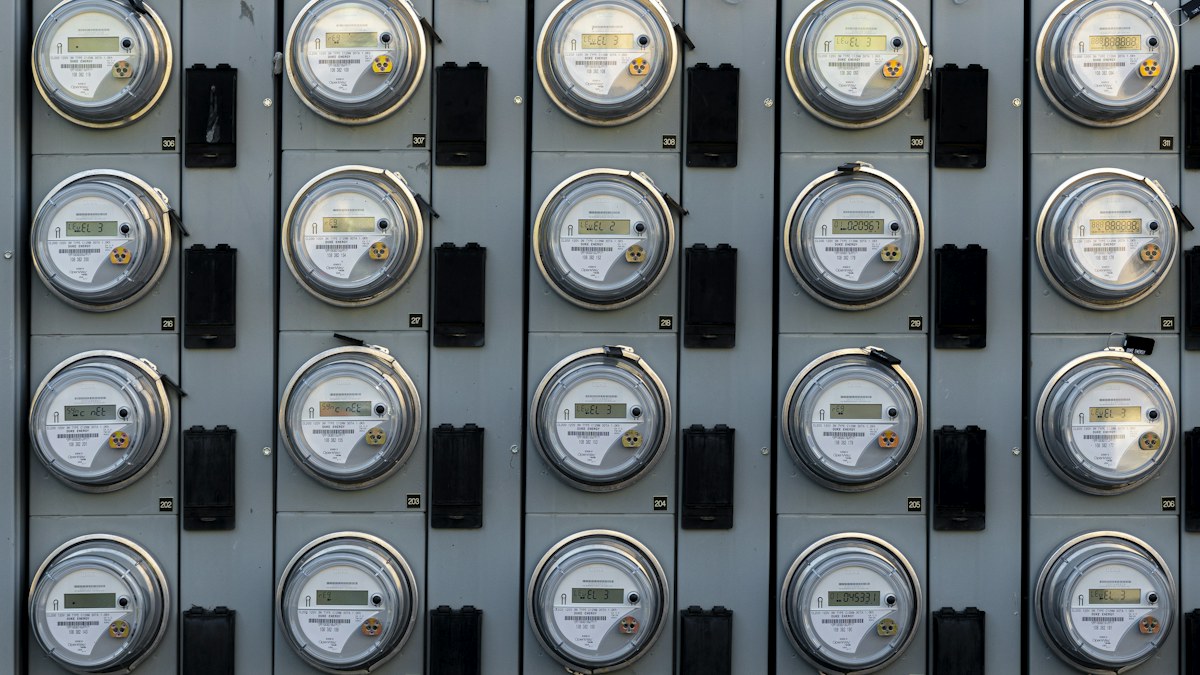
What it does not sidestep is the utility side of the equation. Energizing anything from the grid, temporary or permanent, still requires the utility’s sign-off on a point of interconnection, protection settings that coordinate with their system, and metering. Our guide to utility interconnection from meter to megawatt covers that process for a permanent tie-in, and a temporary one triggers a lighter but real version of the same review. Utilities have seen temporary industrial loads before and most have a process for it, but “faster” is not “instant,” and the application still has to be filed and approved before a mobile unit can be energized rather than merely delivered.
Protection coordination does not go away either. A mobile substation’s switchgear still has to be set up so that a fault downstream trips the right breaker without taking out the utility’s feeder, exactly as covered in our piece on commissioning and acceptance testing. Skipping that step to save a week is how a temporary deployment causes the exact kind of outage it was meant to prevent.
Four Ways to Handle the Gap, Honestly Compared
Facing a confirmed, lengthy wait on permanent transformer delivery, an operator with containers and miners already on hand has roughly four real options. None of them is free, and the right one depends on how long the gap is and how much capital is already sitting idle.
| Option | What it actually buys you | What does not go away | Best fit |
|---|---|---|---|
| Rent a mobile substation | Partial energization within weeks instead of months, scaled to whatever capacity the rental unit and a temporary interconnection can support | Utility interconnection review, protection coordination, and the rental cost itself for as long as the permanent unit is still in the factory | A confirmed multi-month wait with enough idle fleet value to justify a recurring rental cost |
| Temporary generation instead of a grid tie | Power without touching the utility interconnection queue at all, using rented or owned diesel or gas generation on a temporary pad | Fuel logistics and run-time economics covered in our generator sizing guide, plus air-permit questions a temporary generator installation can still trigger depending on size and duration | Sites where the utility interconnection itself, not the transformer, is the long pole, or where the gap is short enough that fuel cost beats a rental contract |
| Partially energize on existing capacity | Zero new cost, by running whatever fraction of the fleet the site’s existing service can already support | Most of the fleet still sits dark for the full wait, so this only helps when existing capacity is non-trivial relative to the full build | Phased buildouts where some capacity already existed before the expansion that triggered the new transformer order |
| Accept the wait | No added cost, no added coordination, no additional point of failure | The fleet’s full carrying cost for the entire delay, with nothing offsetting it | Short waits, or waits where the idle fleet value is genuinely smaller than any bridging option would cost to arrange |
Running the Arithmetic Before You Call a Rental Company
The decision comes down to comparing the carrying cost of the idle fleet against the cost and friction of bridging it, and the comparison is worth doing with real numbers from your own deal rather than skipped on the assumption that “faster is obviously better.”
Consider a hypothetical, illustrative case, not a quoted price: a site waiting twelve months on a custom transformer has 3 MW of containerized fleet sitting idle. If that fleet would otherwise be generating revenue net of power cost, every month of delay has a real dollar value that is specific to the hardware, the network conditions, and the power rate the site was built around — a number only the operator can calculate, not one this article can hand you. Set against that is a mobile substation sized to energize some fraction of that 3 MW, at whatever rental and temporary-interconnection cost a bridging provider quotes for your specific voltage class and duration. The arithmetic only favors renting when the idle-fleet cost for the remaining wait clearly exceeds the all-in cost of standing up and later tearing down a temporary system — and because the rental clock and the permanent-transformer clock both keep running once you commit, a bridge arranged for what you believe is a four-month gap against a transformer order that slips to seven months can erase the advantage it was meant to buy.
That is the real risk in this decision, more than the rental cost itself: committing to a bridge on the strength of a manufacturer’s quoted delivery date, then watching that date move. Before signing anything, get the transformer manufacturer’s delivery commitment in writing with whatever penalty or priority clause is available, not a verbal estimate, because the entire case for a bridge depends on knowing roughly how long the bridge has to last.
Temporary Does Not Mean Unregulated
It is tempting to treat a bridge installation as a lighter-weight project than the permanent build because it is only going to be there for a few months. The electrical code does not see it that way. Temporary electrical installations have their own section in the National Electrical Code precisely because “temporary” has historically been where corners get cut, and most authorities having jurisdiction still require a permit for a temporary high-voltage installation, even one that will be removed well within a year. Treating the bridge as a lighter paperwork lift than the permanent system, rather than a parallel one, is how a project meant to save months ends up adding weeks instead.
Your insurer needs to know as well. A policy written around a specific electrical configuration does not automatically extend the same coverage to a temporary substation and a temporary interconnection that did not exist when the policy was underwritten. Notify your carrier before the mobile unit arrives, not after something goes wrong on it, and ask specifically whether the temporary equipment and the temporary tie-in are covered under your existing policy or need their own rider.
None of this is a reason to avoid a bridge. It is a reason to budget the regulatory and insurance steps as real line items in the bridge’s cost and timeline, rather than discovering them after the rental agreement is already signed and the clock on it has already started.
Where to Look for Available Equipment
Mobile and rental substations are not a mining-industry product. They come out of the broader industrial and utility rental power market — the same companies and fleets that serve utilities during planned outages, construction sites waiting on permanent service, and manufacturers covering a temporary load increase. That is useful context for two reasons. First, availability in your region depends on how dense that broader industrial and utility market already is near your site; a region with heavy industrial activity is more likely to have rental fleets positioned nearby than a genuinely remote one, and trucking a mobile substation a long distance adds both cost and time to the bridge. Second, because this is an established rental category serving utilities first, providers are generally used to the interconnection and protection-coordination conversation already — you are not explaining a novel use case to them, you are one more industrial customer with the same underlying need utilities have had for decades.
Before You Call a Rental Provider
- Confirm the permanent transformer’s delivery date in writing, not verbally, and ask what happens to that date if your order is deprioritized by a larger customer later in the queue.
- Get a real quote for a temporary utility interconnection application, not an assumption that it will be fast because the load is temporary — some utilities treat temporary industrial loads as a lighter review, others do not distinguish at all.
- Size the bridge to the capacity a mobile unit can realistically deliver at your voltage class, not to your full planned load; partial energization of the highest-value portion of the fleet is usually the realistic target, not the whole site.
- Price the full bridge cycle — delivery, temporary foundation, interconnection, commissioning, and later removal — against the specific number of months you expect to bridge, using the manufacturer’s written date plus a margin for slippage, not the optimistic case.
- Confirm who owns protection coordination and commissioning for the temporary system. A rental company supplies hardware; your team or your electrical contractor is usually still responsible for making sure it trips correctly with your fleet and the utility’s system.
- Have a written plan for what happens to the fleet currently running on the bridge once the permanent transformer arrives, so the changeover itself does not become its own unplanned outage.
Rax Mining’s own facilities absorb this entire problem for hosted customers — the electrical infrastructure, permanent or temporary, is something you never have to specify, finance, or schedule around. If you are evaluating a self-build and want a second opinion on whether a bridge makes sense for your specific timeline, or you would rather deploy into capacity that already exists, contact our team to talk through the numbers.
Explore Rax Mining
- Bitcoin Miner Hosting — Tiered rates from $0.085/kWh, NatGas from $0.055/kWh
- NatGas MDU Units — 1MW modular datacenter containers
- Mining Profitability Calculator — Estimate your mining returns
- Our Facility — Tour our mining infrastructure