
Why Serious Miners Use More Than One Host
Categories
Concentrating a hosted fleet with a single provider is a risk most owners never price. How to think about splitting machines across two hosts, and when not to.
Concentrating a hosted fleet with a single provider is a risk most owners never price. How to think about splitting machines across two hosts, and when not to.

Intake is the one period where responsibility for your hardware is genuinely ambiguous. Advance manifests, pallet inspection before signing, serial verification, the DOA clock that starts at delivery, and the rack map to insist on.

Hosting is sold on credit. What the payment, suspension and lien clauses actually allow, how to assess a provider’s own financial stability, and why withholding a whole invoice over one disputed line is the fastest route to default.

Remote hands is the hosting service clients use every week and the one least often defined in the contract. What it covers, how to write a request that gets acted on, and the seven questions to ask before signing.
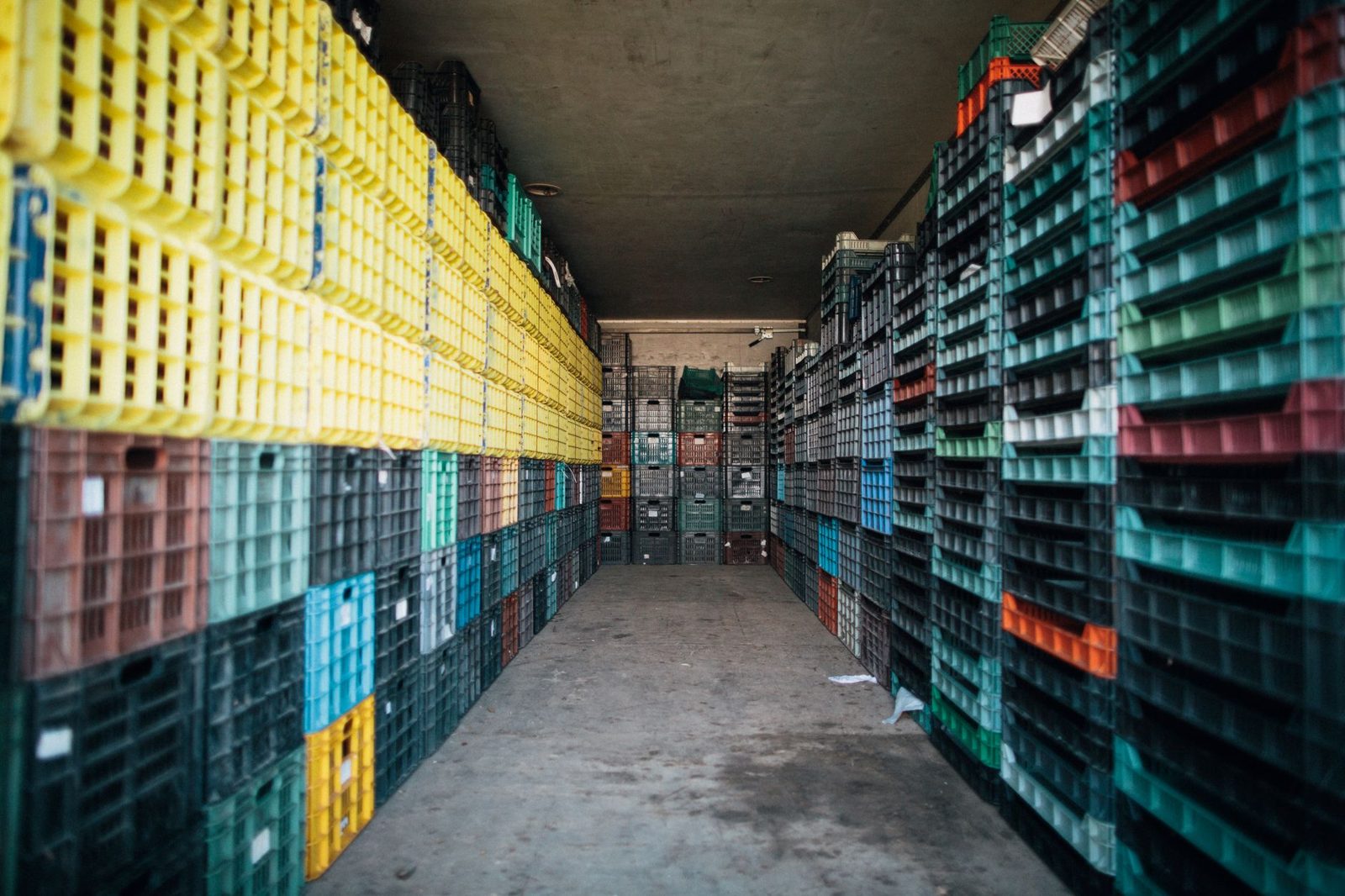
The planned end of a hosting agreement has more failure points than most operators expect. Notice windows, serial reconciliation, condition records, packing, freight liability and the final power true-up.

The deployment spreadsheet stops being true the first time a unit goes out for RMA. What a serial-level asset register should contain, how to reconcile it against your host, and why it matters for claims, insolvency and resale.

Curtailment economics get discussed constantly. The contract language deciding who absorbs the loss gets read last. How hosting agreements allocate curtailment and force majeure risk, and the eight questions to ask before signing.

Ownership is not the end of the argument. UCC filings, the automatic stay, lien and commingling clauses, and why priority is decided long before anyone files.

SOC 2 is an attestation, not a certificate. What Type I and Type II actually claim, where the report says what it does not cover, and how to read one in twenty minutes.
Brokers and white-label resellers sit between many miners and the facility holding their machines. What to verify before signing, and who answers when it fails.
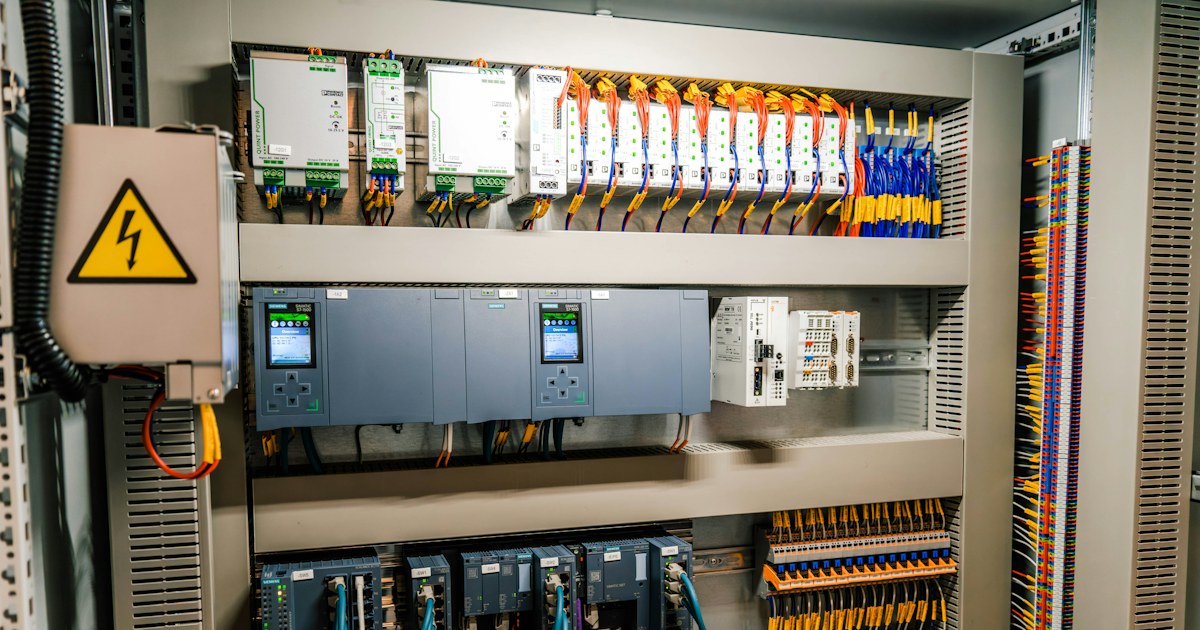
Planned work takes mining sites offline more often than faults do. How to scope, schedule, stage and back out a maintenance window without losing the hall.
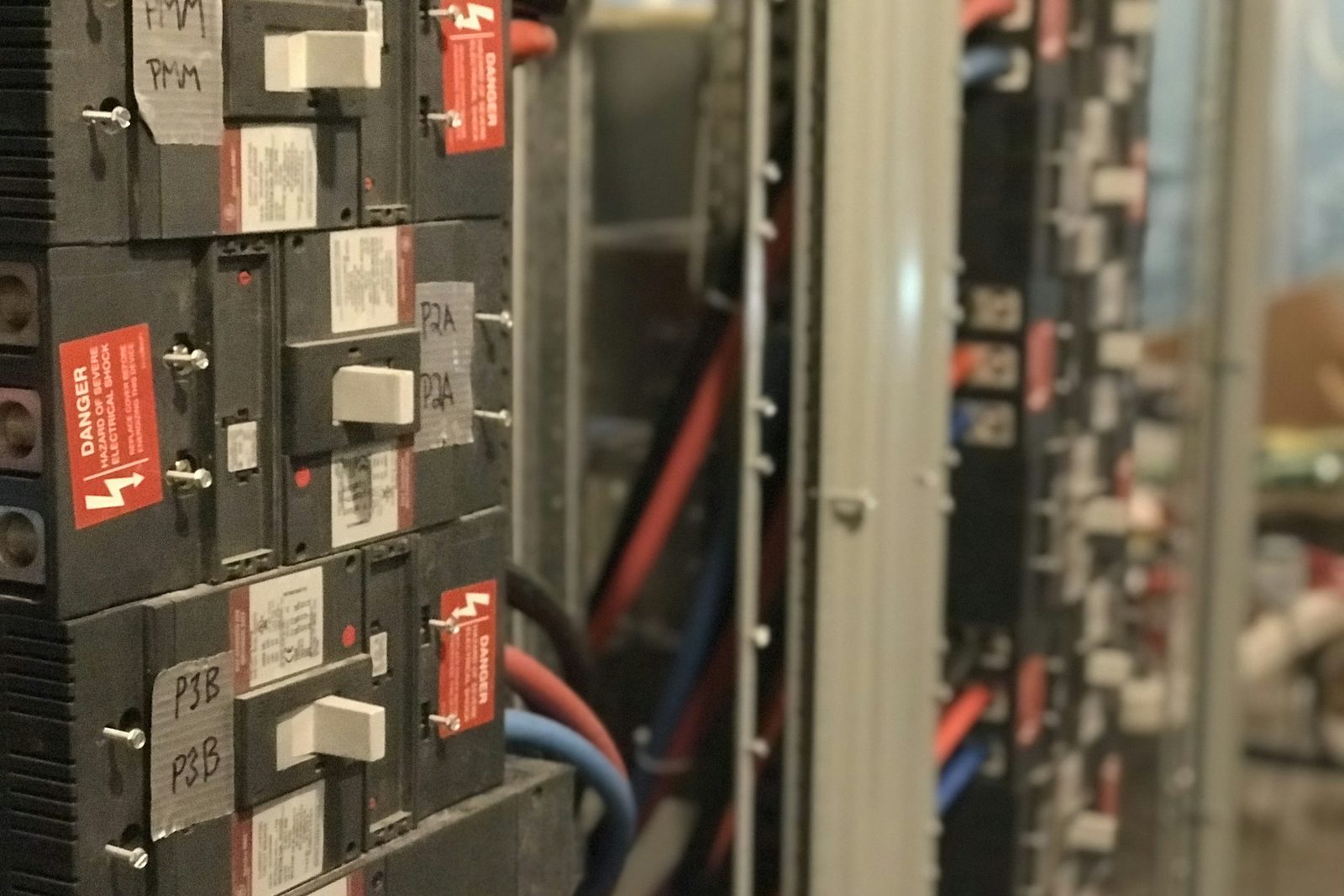
Selling more capacity than you can deliver is normal practice in enterprise colocation and structurally unsafe in Bitcoin mining. Why the difference exists and how to detect it.
Rax Mining LLC is not a financial advisor, investment advisor, broker-dealer, tax advisor, CPA, attorney, or fiduciary. Nothing on this website constitutes financial, investment, legal, or tax advice, and no information presented should be relied upon as a prediction of profitability, performance, or return on investment. Cryptocurrency mining involves substantial risk, including the risk of partial or total loss. Rax Mining provides hosting services and, when requested, facilitates the purchase of mining equipment solely through third-party distributors and trusted partners. Rax Mining does not guarantee mining rewards, uptime, hardware performance, market conditions, or the future value of any digital asset. Customers are solely responsible for their own due diligence and must consult their own independent financial, tax, and legal advisors before purchasing equipment or engaging in mining operations. All mining rewards are the responsibility of the customer and remain under the customer’s exclusive control. Rax Mining does not custody digital assets, private keys, or wallets. Use of this site and all related services is subject to our Terms & Conditions, Privacy Policy, and Hosting Service Agreement.