Ask an operator what took their site down last year and you will hear about grid events, firmware, cooling and gas supply. You will rarely hear about a mouse. That is not because mice are harmless. It is because the failure they cause gets logged as something else: an intermittent network fault, a fan that stopped reporting, a breaker that tripped for no obvious reason.
Wildlife is an ordinary cause of downtime at mining sites, and it is one of the few that gets worse on its own if nobody acts. This article covers what actually gets in, what it damages, and the exclusion work that prevents it.
Why mining sites are attractive to animals
A containerized mining site is close to ideal habitat. It is warm year round, which matters enormously in a cold climate. It is sheltered from weather and from predators. It is usually sited away from people, so there is little disturbance. And it hums steadily, which animals habituate to within days.
The warmth is the decisive factor. In late autumn, when ambient temperature drops and rodents begin looking for somewhere to overwinter, a mining container radiating heat is the most attractive structure for miles. Sites that report no problems in July start reporting them in October, and operators often conclude something changed on site. Nothing changed on site. The weather changed.
What gets in, and through what
Rodents
Mice and rats are the primary problem. A mouse passes through a gap the width of a pencil; a rat needs little more than a gap the size of a coin. On a container that means cable entry points, conduit penetrations, drain openings, the gap under a poorly seated door, and any place where a panel has been cut and not properly sealed afterwards.
Retrofits are the usual culprit. A container leaves the factory reasonably sealed. Then somebody runs an extra network drop, adds a sensor, or brings in a temporary power feed, and the penetration gets made with a hole saw and finished with nothing. That hole is a front door.
Birds
Birds are an exterior problem rather than an interior one. They nest in intake hoods, on top of transformers, in the lee of switchgear enclosures and inside unused conduit. Nesting material is the hazard: dry grass packed into an intake restricts airflow, and the same material against a hot surface is a genuine fire risk.
Birds also foul equipment. Droppings are acidic and accelerate corrosion on enclosure roofs and bus connections, and the cleanup is unpleasant enough that it gets deferred.
Insects
Insects matter at two scales. Individually, they are drawn to light and to warmth, and they die inside electrical enclosures in sufficient numbers to bridge contacts and foul relays. Collectively, wasps and hornets build nests inside enclosures and intake hoods, which is both an airflow problem and a serious hazard for the technician who opens the door.
Ants deserve a particular mention. Some species are attracted to electrical fields and will colonize contactors and relays, and the resulting faults are intermittent and extremely difficult to diagnose until somebody opens the enclosure and finds the cause.
What the damage actually looks like
Rodents gnaw constantly because their incisors grow continuously. Cable insulation is a convenient material to gnaw on, and the damage pattern is distinctive: the outer jacket is stripped over a short run, often where the cable passes over a supporting edge.
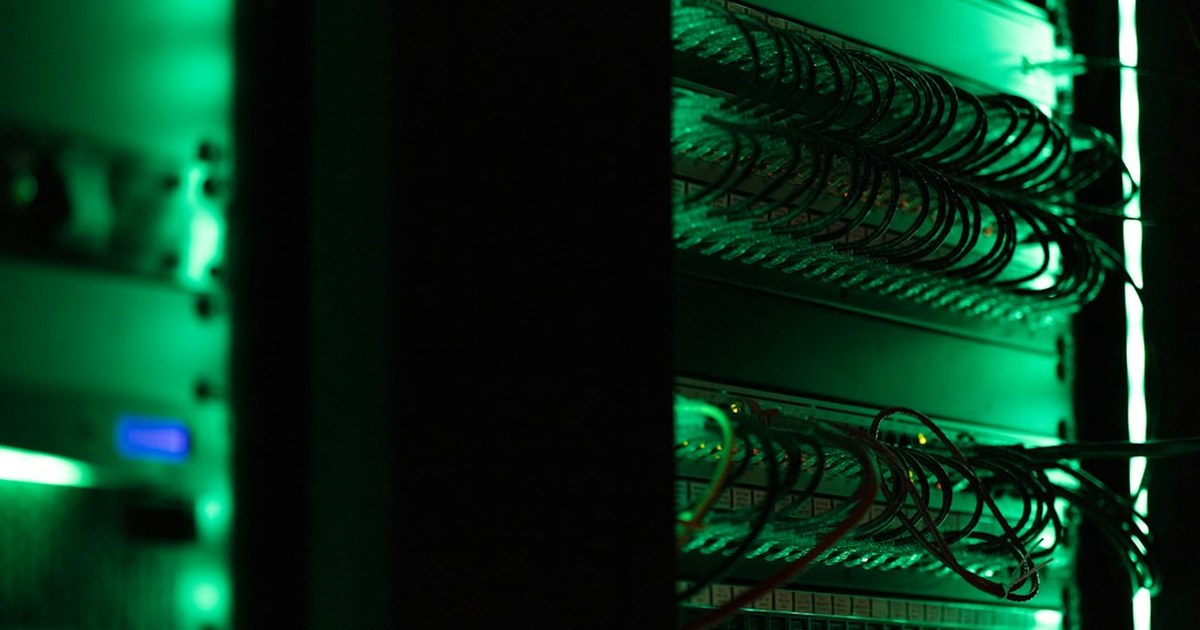
The consequences range by cable type. On a network drop the result is an intermittent link that comes and goes with temperature and vibration, which is one of the more frustrating faults to chase because it rarely reproduces while you are looking at it. On a control or sensor line it produces readings that drift or drop out. On anything carrying real current it is an arc fault and a fire risk.
Nesting material compounds all of this. Rodents shred insulation, cardboard and filter media to build nests, and they build them in warm enclosed spaces, which in a mining container means inside electrical enclosures and behind equipment. A nest against a warm surface is both a fire load and an insulator that defeats the cooling the equipment was designed around.
Exclusion before control
The hierarchy that works is exclusion first, then habitat reduction, then population control. Operators tend to do it in the reverse order, starting with traps or bait, and wonder why the problem returns.
Seal every penetration
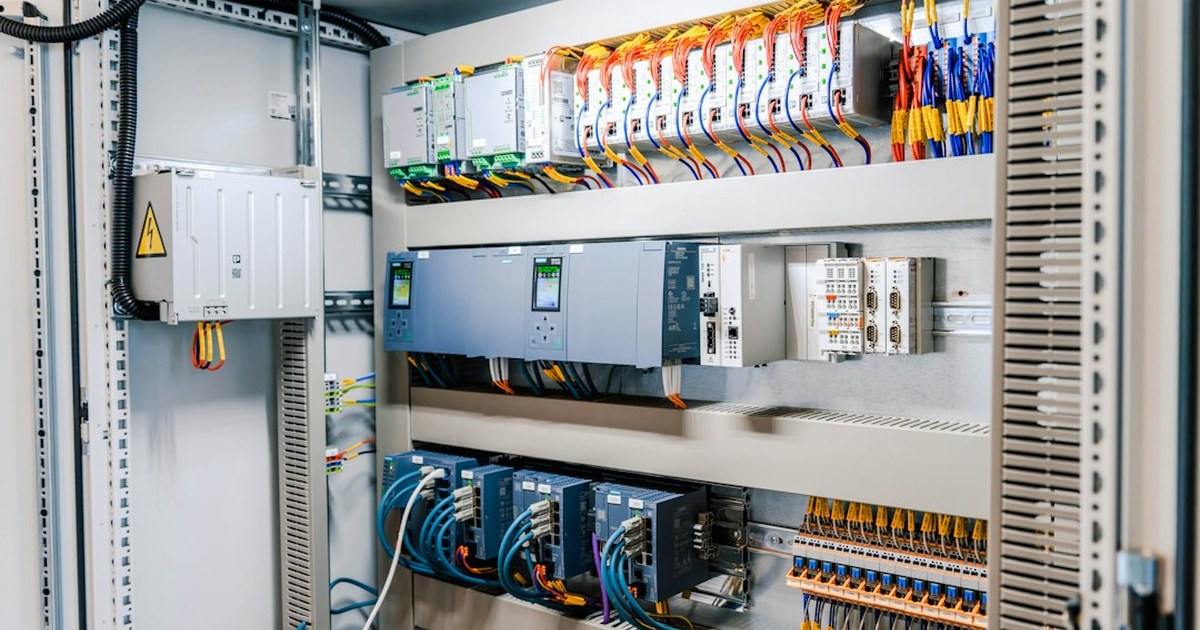
Walk the perimeter of every container and note each place something passes through the skin. Each one needs an appropriate seal: a proper cable gland for cables, an escutcheon or grommet for conduit, and expanding foam only as a filler behind a mechanical barrier, never as the barrier itself. Rodents chew straight through foam and steel wool alone compresses over time.
Where a larger opening has to remain open for airflow, hardware cloth of a fine enough mesh is the standard answer, fixed mechanically rather than taped.
Screen the intakes
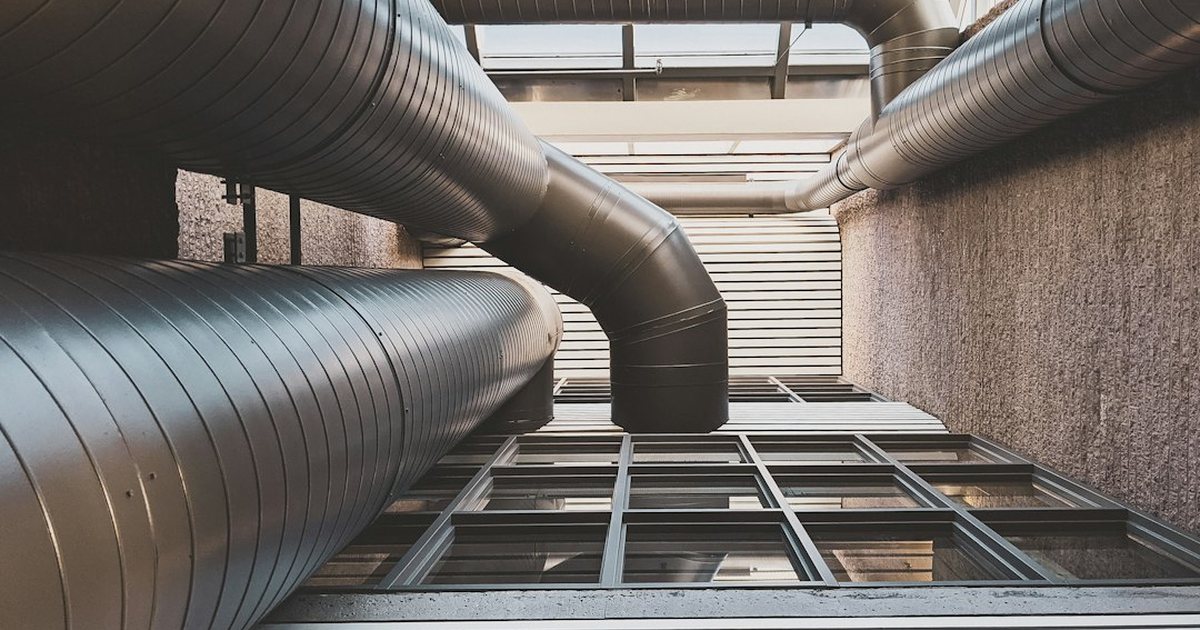
Intake and exhaust openings cannot be sealed, so they get screened. The screen must be fine enough to exclude the animal and coarse enough not to restrict airflow meaningfully, and it must be inspectable and cleanable, because a screen that blinds with dust and debris becomes an airflow problem of its own.
Close the doors
This sounds trivial and it is the most common single failure. Doors get propped open during work and left that way. Door sweeps wear out and are not replaced. A container with a worn sweep has a continuous gap along the full width of the threshold.
Reducing the attraction
Exclusion is never perfect, so the second layer is making the site less worth entering.
- Remove food sources. Crews eat on site. Food waste in an open bin beside a container is an invitation, and it is the single easiest thing to fix.
- Clear vegetation back from structures. Grass and brush against a container provide cover right up to the wall. A maintained gravel margin removes it.
- Do not store pallets and packaging against buildings. Stacked material is harborage. It is also the reason a site that just took a hardware delivery sees a spike in activity.
- Manage standing water. Water attracts everything, and poor drainage around a pad provides it.
- Review exterior lighting. Lighting is a safety and security requirement, but lights attract insects, and insects attract what eats them.
Monitoring, so you find it early
The difference between a nuisance and an outage is how early it is found. A few practices catch it early at almost no cost.
Look for the evidence rather than the animal. Droppings, gnaw marks on cable jackets, shredded material in corners, greasy rub marks along a regular route, and nesting debris in enclosures are all visible on a walkthrough if somebody is looking for them. Add them to the routine inspection list so they are looked for deliberately rather than noticed by accident.
Photograph anything you find and note where. A single droppings pile tells you an animal passed through. The same pile in the same place on three consecutive inspections tells you something is living there.
Treat unexplained intermittent faults as a possible wildlife symptom, particularly on network and control wiring, and particularly as the weather turns. Chasing a flapping link for a week before finding a chewed jacket is a common and avoidable story.
When to bring in a professional
Routine exclusion and housekeeping are site work. An established population is not. Once there is evidence of nesting rather than passage, a commercial pest management contractor is the appropriate response, and the brief should be specific: an industrial electrical environment, with exclusion as the priority and control as the secondary measure.
Be clear about where bait and traps may and may not be placed. Bait stations inside electrical enclosures are not acceptable, and an animal that dies inside a switchgear cabinet creates a worse problem than the one being solved.
Local regulation also applies. Some species are protected, and nesting birds in particular are subject to restrictions on removal during certain periods in many jurisdictions. Confirm the position locally before clearing a nest.
Where this fits in site operations
Wildlife exclusion belongs with the other unglamorous maintenance disciplines that quietly determine uptime. It costs very little, it is almost entirely preventive, and the work is visible and checkable: either the penetrations are sealed and the screens are intact, or they are not.
For a facility already running structured maintenance, the practical step is to add exclusion to the existing inspection checklist rather than to run it as a separate program, and to schedule the thorough perimeter review for early autumn, before the first cold weather sends everything looking for somewhere warm.
Explore Rax Mining
- Bitcoin Miner Hosting — Competitive rates from $0.075/kWh
- NatGas MDU Units — 1MW modular datacenter containers
- Mining Profitability Calculator — Estimate your mining returns
- Our Facility — Tour our mining infrastructure