Downtime on a mining site is rarely caused by the failure itself. It is caused by the wait for the part. A hashboard dies on a Friday, the replacement is three weeks out from a supplier in another timezone, and the machine sits dark through a month of good hashprice. The failure cost an hour of labour. The lead time cost the revenue.
Spare parts strategy is the least glamorous part of running a mining operation and one of the few levers that directly converts into uptime. This is how to think about what to hold.
Why the usual instinct is wrong
The instinct is to stock what breaks most often. That produces a shelf full of cheap, fast-moving items and no answer when something significant fails.
The better frame is to stock against downtime cost multiplied by lead time, not against failure frequency. A power supply that fails twice a year but is available locally within a day is a smaller exposure than a transformer component that fails once in five years and takes four months to source. Frequency tells you what you will replace. Lead time tells you what will hurt.
The three tiers
Tier 1: consumables, held in depth
Items that are cheap, fail predictably and are needed constantly. Fans, filters, thermal paste, cable ties, fuses, network patch leads, basic fasteners. The holding cost is trivial and running out of them stops work for no good reason.
Fans deserve particular attention. They are the most frequently replaced component in any air-cooled fleet, they degrade gradually rather than failing cleanly, and a site that waits for a fan order is a site running machines at reduced throughput in the meantime.
Tier 2: field-replaceable units, held to a ratio
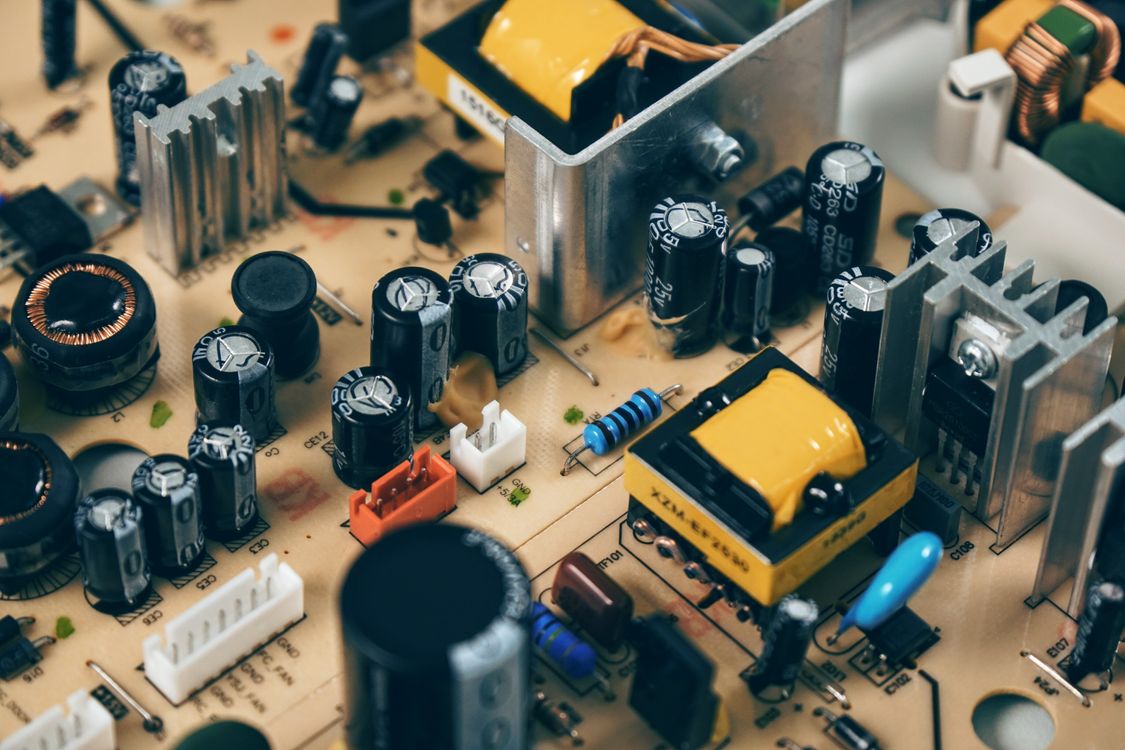
Power supplies, control boards, hashboards. These are the parts that turn a dead machine into a running one within an hour, and they are the core of a sensible spares policy.
The usual approach is a percentage of fleet size rather than a fixed count, because the right number scales with how many machines you have. A site with two hundred miners and a site with two thousand do not need the same shelf. What matters is that the ratio is a decision somebody made, reviewed against actual failure data from your own fleet, rather than a number inherited from a forum post.
Two things shift that ratio upward. Older fleets fail more, so an ageing deployment needs deeper spares than a new one. And machines that are out of warranty need spares that a warrantied machine does not, because the manufacturer is no longer the backstop.
Tier 3: long-lead infrastructure, held or contracted
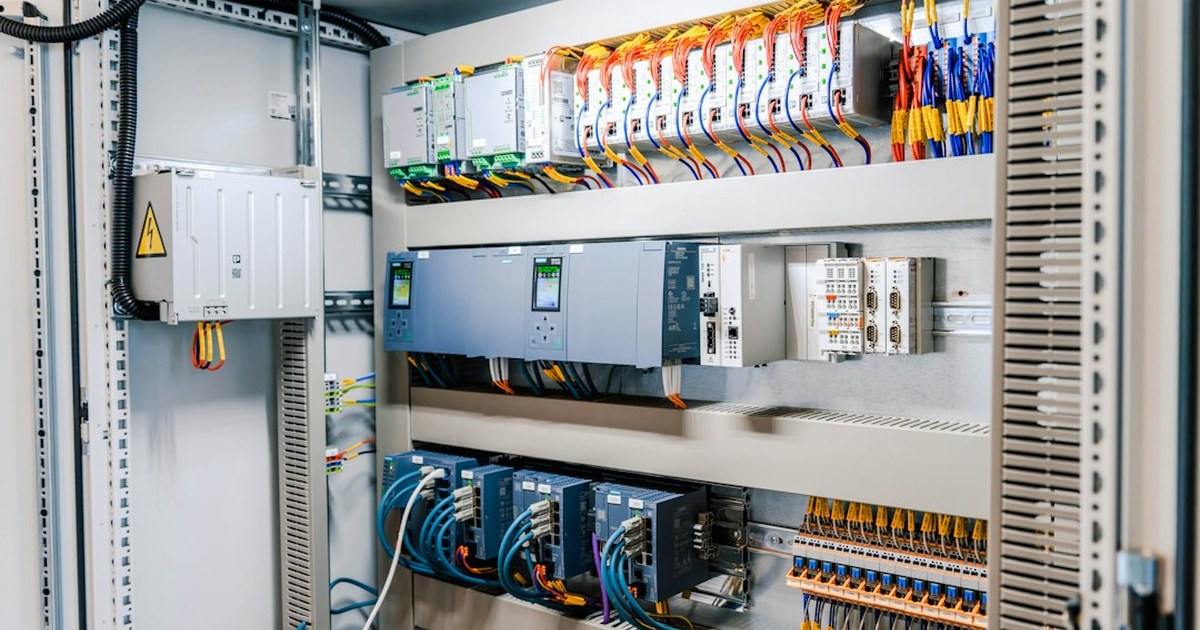
Transformer components, switchgear parts, breakers, genset spares, PDU modules. You are not holding a spare transformer. What you can do is understand the lead time before you need it, and have the conversation with the supplier while the equipment is still working.
Our guide to transformer lead times covers why this category behaves differently from everything else. The short version: these items are quoted in months, the quote moves with market conditions, and nobody has ever been glad they started the conversation late.
What your own data should tell you
Within a few months of operation your fleet will tell you what it actually breaks. That record is more useful than any general advice, including this article, because it reflects your machines, your climate and your power quality.
Worth tracking per failure: what failed, how old the machine was, how long it took to get the part, and how many hours the machine was down. After a year that becomes a purchasing policy rather than a guess. Sites that log failures buy the right spares. Sites that do not buy spares reactively and always from the most expensive available source.
Power quality in particular shows up in failure data before it shows up anywhere else. A site that is burning power supplies faster than its neighbours usually has an electrical problem rather than a bad batch of hardware.
Where to hold it
On site, for anything a technician uses during a shift. A spares cage two hours away is not a spare.
For multi-site operators, a central store makes sense for tier 3 and expensive tier 2 items, with each site holding its own tier 1 and a working set of field-replaceable units. The central store protects against the long lead items. The site store protects against the shift.
Storage conditions matter more than people expect. Control boards and power supplies are electronics, and a shipping container in desert heat is not storage. Humidity, dust and temperature swing all degrade parts that have never been used. Our guidance on dust and filtration applies to the store room as much as the machine room.
The hosting question
If your machines are hosted rather than self-operated, spares strategy is partly your provider’s problem and partly still yours. Worth establishing in writing before the first failure:
- Who owns the spares, and who pays for them
- Whether the provider holds a pool your machines can draw from, or whether each client’s machines wait on that client’s parts
- What the target turnaround is from failure to running, and whether it is a commitment or an aspiration
- Whether swapped components are returned to you or absorbed into the provider’s pool
- Who handles warranty claims and who carries the cost while a claim is open
A provider holding a shared pool can usually restore a machine far faster than a client shipping a part internationally. That is a genuine advantage of hosting and it is worth asking about specifically rather than assuming. Our hosting service and the repair and maintenance process cover how this works in practice.
The parts nobody counts until they are missing
Three categories get left off almost every spares list and cause an outsized share of the frustration.
Cables and connectors. Power leads, network cable, the specific connector your PDUs use. They are cheap, they get damaged during maintenance, and a site that runs out improvises with something that does not quite fit. That improvisation is how a thermal problem starts at a connection point.
Tooling and consumable supplies. Thermal paste, isopropyl alcohol, anti-static mats, the right screwdriver bits for your chassis. A technician who cannot open a machine properly either defers the job or forces it.
Firmware and configuration backups. Not a physical part, but it belongs in the same conversation. A replacement control board is useless if nobody has the configuration it needs, and recovering that from memory under pressure produces mistakes.
What not to stock
Holding spares has a cost beyond the purchase price. Electronics age on a shelf, capital is tied up, and a store full of parts for machines you no longer run is dead weight.
Two things worth avoiding. Deep stock of parts specific to a single model you are planning to retire, because the spares outlive the fleet. And anything the manufacturer still covers under warranty in quantity, because you are buying something you already own a claim against. Hold enough of those to bridge the claim turnaround, not enough to replace the warranty.
Fleet transitions are where this bites. A site moving from one generation of hardware to the next ends up holding two sets of spares, and the old set quietly becomes scrap. Running the old stock down deliberately before the transition is worth planning.
A policy you can actually run
Start with the list of parts that would stop a machine earning. For each one, write down the lead time, the cost, and the number of machines affected if it fails. Sort by lead time rather than by price. Stock down that list until the remaining items are things you can genuinely source within your tolerance for downtime.
Review it twice a year, and after any failure that surprised you. A spares policy that has not changed in two years is describing a fleet that no longer exists.
Rax Mining operates hosted fleets with an on-site spares pool so a failed machine is a swap rather than a shipping problem. If you are weighing self-operation against hosting and want the parts question answered properly, talk to our team.
Explore Rax Mining
- Bitcoin Miner Hosting — Competitive rates from $0.075/kWh
- NatGas MDU Units — 1MW modular datacenter containers
- Mining Profitability Calculator — Estimate your mining returns
- Our Facility — Tour our mining infrastructure