Why Location Is the Single Biggest Factor in Mining Profitability
If you are running bitcoin mining hardware, or planning to, the location you choose will determine whether your operation is profitable or hemorrhaging cash. Electricity costs, ambient temperature, regulatory environment, and proximity to infrastructure all play decisive roles in your bottom line. In this guide, we break down exactly how to evaluate mining hosting locations and compare the best states in the US for bitcoin mining in 2025.
The Four Pillars of a Great Mining Location
1. Electricity Cost
Power is your largest ongoing expense. It typically represents 70-80% of total operating costs for a bitcoin mining operation. The difference between $0.04/kWh and $0.08/kWh can mean the difference between strong margins and operating at a loss, especially post-halving.
Here is how key states stack up:
- Texas: $0.04-0.07/kWh (deregulated market, renewable energy options, demand response programs that pay you to curtail)
- Nebraska: $0.05-0.07/kWh (public power districts, stable pricing, no deregulation risk)
- Wyoming: $0.05-0.08/kWh (crypto-friendly legislation, low population density)
- Washington State: $0.04-0.06/kWh (hydroelectric power, but limited capacity and regulatory pushback)
- Georgia: $0.06-0.09/kWh (growing data center market, nuclear baseload power)
For a detailed breakdown of power costs by state, see our comprehensive guide to bitcoin mining power costs by state.
2. Climate and Cooling
ASIC miners generate enormous heat. Cooling costs can add 20-30% to your electricity bill in hot climates. States with cooler average temperatures offer a natural advantage:
- Nebraska averages 50 degrees F annually, with cold winters that provide free air cooling for 4-6 months
- Texas summers can push 100+ degrees F, requiring robust cooling infrastructure
- Northern states like Montana, North Dakota, and Minnesota offer excellent natural cooling but may lack power infrastructure
Modern hosting facilities use a combination of air-cooled and hydro-cooled systems to manage heat efficiently regardless of ambient temperature. However, starting with a climate advantage reduces capital expenditure on cooling infrastructure.
3. Regulatory Environment
Not all states welcome bitcoin mining. Some have imposed moratoriums, excessive permitting requirements, or punitive electricity rate structures for crypto miners. The best jurisdictions offer:
- Clear legal frameworks for digital asset operations
- No discriminatory electricity pricing targeting miners
- Favorable tax treatment (no state income tax in Texas and Wyoming)
- Streamlined permitting for power infrastructure and data center construction
Texas and Wyoming lead the pack on regulatory clarity. Nebraska offers stability through its public power model. Avoid states like New York, which has imposed moratoriums on certain mining operations.
4. Infrastructure and Grid Access
Having cheap power on paper means nothing if you cannot get a grid interconnection. Key infrastructure factors include:
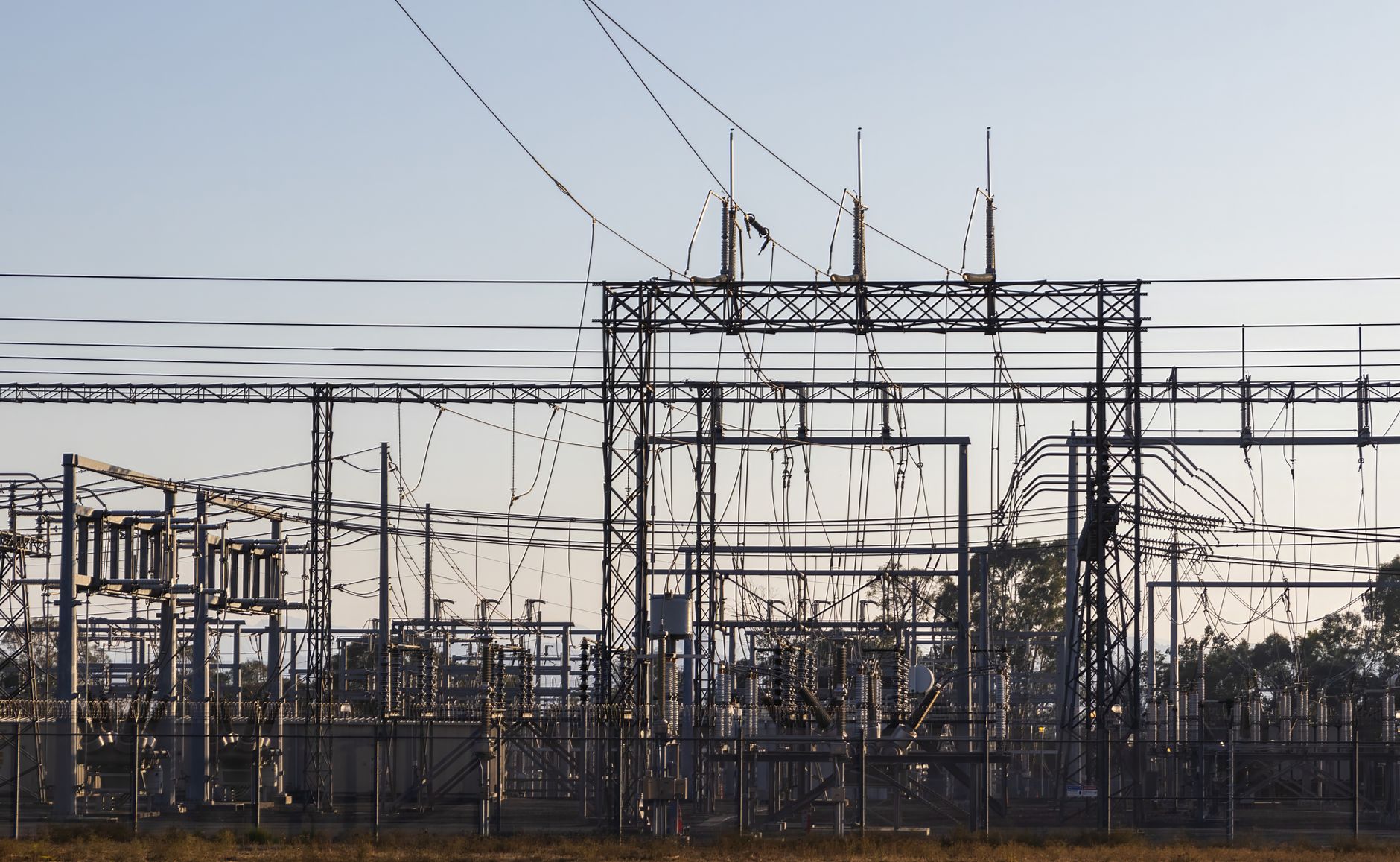
- Substation proximity: Being within 5 miles of a major substation dramatically reduces interconnection costs
- Transformer availability: Lead times for large transformers can exceed 18 months
- Fiber connectivity: Low-latency internet is essential for pool connectivity and remote management
- Road access: You need to be able to deliver containers, equipment, and replacement parts
Texas vs Nebraska: A Head-to-Head Comparison
These are two of the strongest bitcoin mining locations in the United States, and Rax Mining operates facilities in both. Here is how they compare:
| Factor | Texas | Nebraska |
|---|---|---|
| Power Cost | $0.04-0.07/kWh | $0.05-0.07/kWh |
| Grid Type | ERCOT (deregulated) | Public power (regulated) |
| Cooling Advantage | Limited (hot summers) | Strong (cold winters) |
| Demand Response | Yes (earn revenue by curtailing) | Limited programs |
| State Tax | No income tax | State income tax applies |
| Regulatory Climate | Very favorable | Stable, supportive |
| Scalability | Excellent (1MW to 30MW+) | Good (established infrastructure) |
Both locations offer strong economics. Texas provides more upside through demand response and deregulated pricing. Nebraska provides more stability and natural cooling advantages. Many serious operators, including Rax Mining, run operations in both to diversify risk.
Explore our Texas hosting facilities and Nebraska hosting facilities to see what is available today.
What to Ask Before Signing a Hosting Contract
Before committing to any hosting location, ask these critical questions:
- What is the all-in power rate? Ask for the blended rate including demand charges, transmission fees, and any ancillary costs. A headline rate of $0.04/kWh can become $0.07/kWh with hidden fees.
- What is the uptime guarantee? Look for 99%+ uptime with clear SLA terms and compensation for downtime.
- What is the cooling methodology? Air-cooled, immersion, or hybrid? Each has different efficiency profiles and maintenance requirements.
- Is there room to scale? Starting at 1MW is fine, but if your operation grows to 5MW or 10MW, can the facility accommodate that? See our guide on how to scale from 1MW to 30MW.
- What happens during grid events? Understand the curtailment policy. In Texas, curtailment during peak demand can actually generate revenue. In other states, it might just mean downtime.
- What security measures are in place? 24/7 surveillance, access control, fire suppression, and insurance coverage are non-negotiable.
The Hidden Cost of Choosing the Wrong Location
Choosing a suboptimal hosting location does not just reduce margins. It can destroy them entirely. Consider this scenario:
- 100 ASIC miners running at 3,400W each = 340 kW total load
- At $0.05/kWh: $12,240/month in electricity
- At $0.09/kWh: $22,032/month in electricity
- Difference: $9,792/month or $117,504/year
That $117K annual difference is pure profit lost to a bad location decision. Over a 3-year equipment lifecycle, that is over $350,000 left on the table. Use our mining calculator to model your specific scenario.
Ready to Find the Right Location for Your Mining Operation?
Rax Mining operates state-of-the-art hosting facilities in Texas and Nebraska, offering competitive power rates, professional management, and the ability to scale from a single unit to 30MW deployments.
Whether you are deploying your first batch of miners or relocating an existing operation, our team can help you evaluate the best location for your specific needs.
Book a free 20-minute consultation to discuss your hosting requirements and get a custom quote.
Explore Rax Mining
- Bitcoin Miner Hosting — Competitive rates from $0.075/kWh
- NatGas MDU Units — 1MW modular datacenter containers
- Mining Profitability Calculator — Estimate your mining returns
- Our Facility — Tour our mining infrastructure