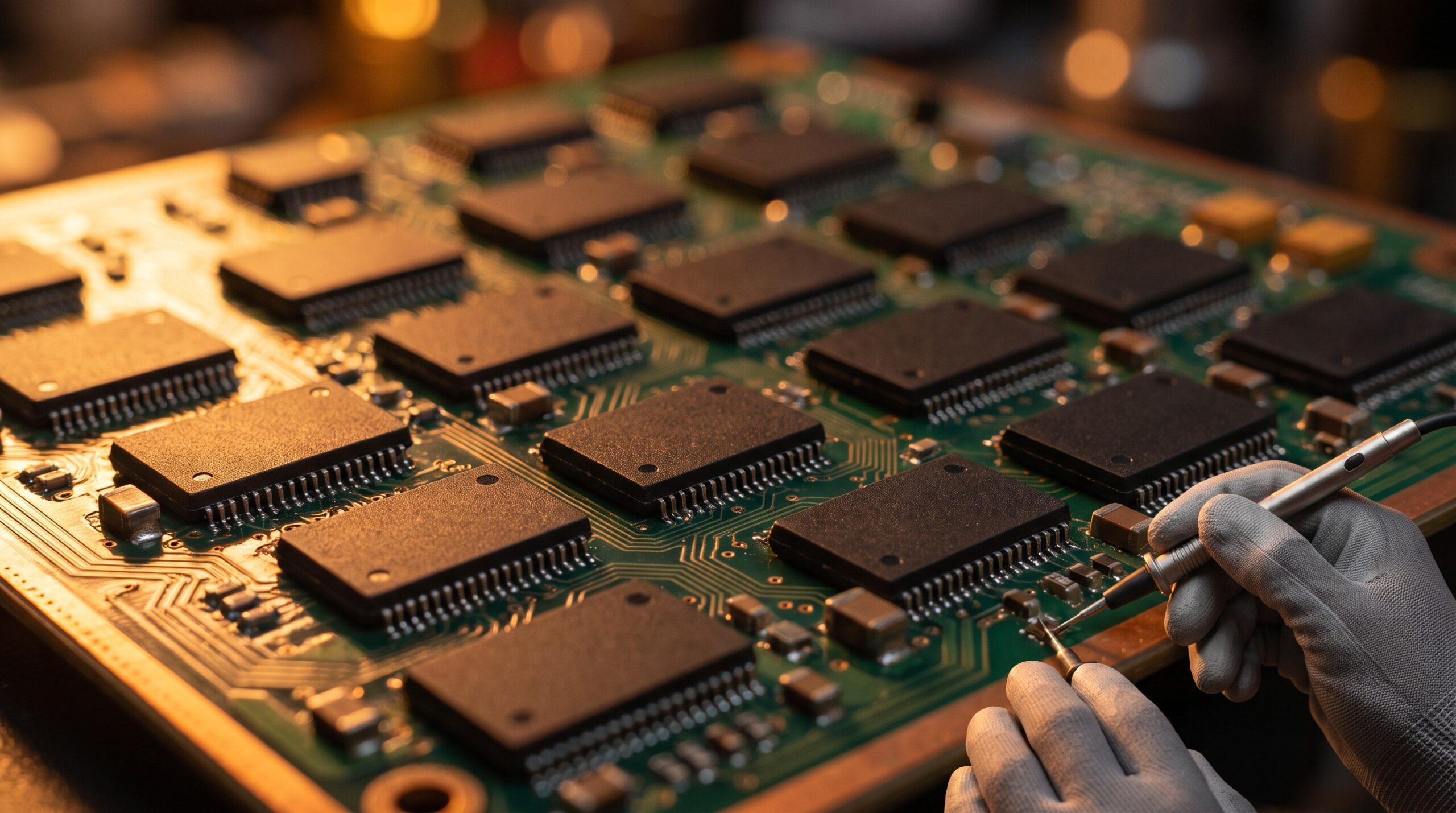
What Is ASIC Firmware and Why Does It Matter?
Every ASIC miner runs firmware — the low-level software that controls how the mining chips operate, manage power delivery, handle temperature thresholds, and communicate with mining pools. Stock firmware, the software that ships with your machine from the manufacturer, is designed for safety and broad compatibility. But for miners looking to squeeze more hashrate or better efficiency out of their hardware, aftermarket firmware and overclocking represent a significant opportunity — and a meaningful risk if done incorrectly.
Whether you are running a fleet of S21 Pros at a hosted mining facility or managing a smaller operation, understanding firmware options is essential for maximizing the return on your hardware investment.
Stock vs Aftermarket Firmware
The firmware landscape for Bitcoin ASICs has matured considerably since the early days of mining. Here is how the major options compare:
| Firmware Type | Hashrate Impact | Efficiency Impact | Risk Level | Warranty |
|---|---|---|---|---|
| Stock (Bitmain/MicroBT) | Baseline | Baseline | Minimal | Preserved |
| Braiins OS+ | +5-25% (overclock) or baseline (auto-tune) | +5-15% (auto-tune mode) | Low | Voided (Bitmain) |
| LuxOS | +10-30% (overclock profiles) | Configurable | Low-Medium | Voided (Bitmain) |
| VNish | +10-40% (aggressive profiles) | Varies | Medium | Voided |
| Custom / DIY | Unpredictable | Unpredictable | High | Voided |
Understanding Overclocking Modes
Overclocking an ASIC miner means pushing its mining chips beyond their stock frequency and voltage settings to produce more hashrate. Modern aftermarket firmware makes this process far more accessible and safer than manual tuning, but it is important to understand the modes available:
Auto-Tune (Efficiency-First)
Auto-tune algorithms automatically find the optimal frequency and voltage for each individual chip on each hashboard. Instead of applying a blanket overclock, the firmware tests each chip independently and settles on settings that maximize hashrate per watt. This is the safest and most popular mode for professional data center operations because it improves efficiency (J/TH) without significantly increasing power draw or heat output.
A typical result: an Antminer S19 XP rated at 140 TH/s and 21.5 J/TH on stock firmware might achieve 145-150 TH/s at 20.5 J/TH on Braiins auto-tune, producing more hashrate while using less electricity per terahash.
Performance Mode (Hashrate-First)
Performance mode pushes frequency and voltage higher to maximize raw hashrate, accepting higher power consumption and heat. This mode makes sense when electricity is very cheap and you want to extract maximum revenue per machine. The trade-off is accelerated hardware wear and higher cooling demands.
Example: The same S19 XP might reach 165-175 TH/s in performance mode but at 24-26 J/TH, consuming 15-20% more power. At facilities with wholesale power rates below $0.05/kWh, this trade-off can be positive.
Power Lock (Budget Mode)
Some firmware allows you to set a hard power ceiling, and the auto-tuner maximizes hashrate within that power budget. This is useful for hosted miners with fixed power allocations or for those in regions where utility curtailment programs require reducing load during peak hours. Midwest operations with demand response obligations frequently use power-lock modes during curtailment events.
The Economics of Overclocking
Whether overclocking makes economic sense depends entirely on your electricity rate and the current cost to mine one Bitcoin. Here is a practical example:
Scenario: Antminer S21 Pro (stock 234 TH/s, 15 J/TH)
| Mode | Hashrate | Efficiency | Power Draw | Daily Electric Cost @$0.065 | Daily Revenue @$0.05/TH |
|---|---|---|---|---|---|
| Stock | 234 TH/s | 15.0 J/TH | 3,510W | $5.48 | $11.70 |
| Auto-tune | 240 TH/s | 14.2 J/TH | 3,408W | $5.32 | $12.00 |
| Performance | 270 TH/s | 17.0 J/TH | 4,590W | $7.16 | $13.50 |
In this example, auto-tune delivers the best profitability ($6.68/day margin vs $6.22 stock) by improving efficiency without extra power cost. Performance mode increases total revenue but at higher cost — still profitable at $0.065/kWh but the margin per watt is thinner. At higher electricity rates, performance mode quickly becomes unprofitable.
Risks and Considerations
Before flashing aftermarket firmware or enabling overclock profiles, consider these factors carefully:
Warranty Implications
Most ASIC manufacturers, including Bitmain and MicroBT, void warranties the moment aftermarket firmware is installed. For new machines still under warranty, the risk-reward calculation may favor keeping stock firmware until the warranty period expires. For used or refurbished machines with no remaining warranty, there is less downside to aftermarket firmware.
Hardware Degradation
Running chips at higher frequencies and voltages generates more heat and accelerates electromigration, a process where electrical current physically moves atoms within the chip over time. Aggressive overclocking can reduce chip lifespan from 5+ years to 2-3 years. Auto-tune modes minimize this risk by staying within safe voltage margins.
Thermal Management
Overclocked machines produce more heat. In a professional data center environment, the facility’s cooling infrastructure can typically handle the additional thermal load. Home miners may struggle with heat dissipation, leading to throttling or shutdowns that negate the performance gains.
Hosting Provider Policies
Some hosting providers restrict or prohibit aftermarket firmware because overclocked machines draw more power than their allocated slot and generate additional heat. Before flashing firmware on hosted machines, confirm your provider’s policy. At facilities like RAX Mining hosting centers, communicate any planned changes to ensure your power allocation accommodates the additional draw.
Best Practices for ASIC Firmware Management
Whether you choose to stay on stock firmware or transition to aftermarket options, follow these guidelines:
- Start with auto-tune: Begin with efficiency-first auto-tuning before exploring aggressive overclock profiles. The risk-reward ratio is far more favorable.
- Monitor temperatures continuously: Set chip temperature alerts at 85C (warning) and 95C (shutdown). Modern firmware includes these protections, but verify they are active.
- Keep stock firmware backups: Before flashing, save a copy of your stock firmware. Most aftermarket firmware providers include rollback tools, but having the original is essential.
- Update regularly: Aftermarket firmware developers release updates that improve stability, add model support, and patch security vulnerabilities. Running outdated firmware exposes you to bugs and potential remote exploits.
- Test on one machine first: Never flash your entire fleet simultaneously. Test on a single unit for 48-72 hours, monitor stability and temperatures, then roll out incrementally.
- Document settings: Record frequency, voltage, fan speed, and temperature parameters for each machine. If a hashboard develops issues, you will need baseline data for troubleshooting.
Dev Fees and Cost Structure
Most aftermarket firmware charges a “dev fee” — a small percentage of your hashrate that is directed to the firmware developer’s mining pool. Current dev fees range from 2-4% depending on the firmware and feature tier. Factor this into your profitability calculation: a 20% hashrate increase with a 3% dev fee yields a net 16.4% improvement. For large fleets, dev fees can be negotiated or waived through enterprise agreements.
Key Takeaways
ASIC firmware is one of the most accessible optimization levers available to Bitcoin miners. Auto-tuning firmware can improve efficiency by 5-15% with minimal risk, directly improving your mining profitability. Aggressive overclocking can boost hashrate by 15-40% but comes with trade-offs in power consumption, hardware lifespan, and cooling requirements. For hosted miners at professional facilities with wholesale power rates, the economics often favor moderate overclocking. For home miners on retail electricity, efficiency-first auto-tuning is almost always the smarter choice. Whatever path you take, start conservative, monitor closely, and always keep a firmware rollback plan ready.
Explore Rax Mining
- Bitcoin Miner Hosting — Competitive rates from $0.075/kWh
- NatGas MDU Units — 1MW modular datacenter containers
- Mining Profitability Calculator — Estimate your mining returns
- Our Facility — Tour our mining infrastructure