What Is Flare Gas Bitcoin Mining?
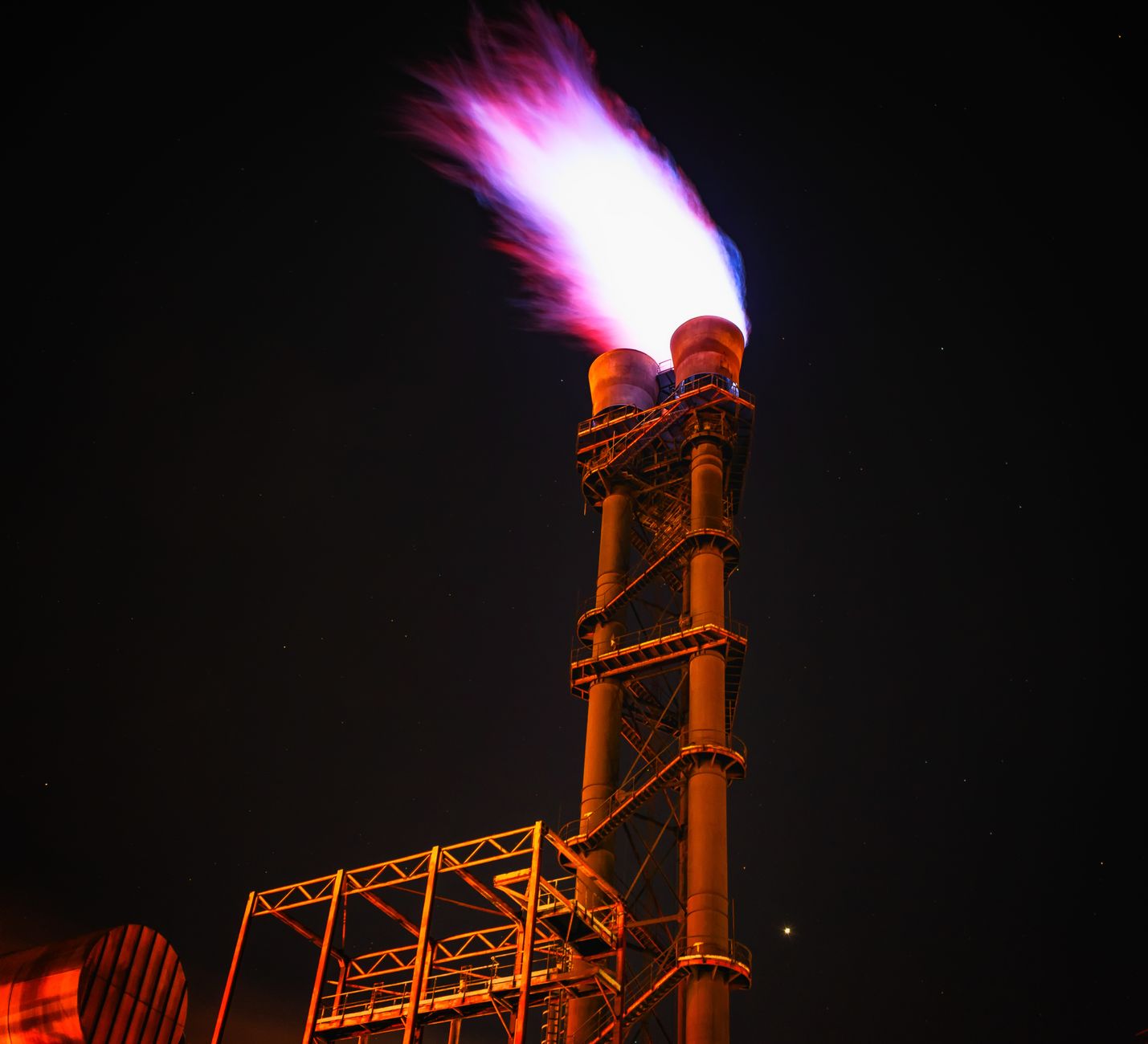
Across oil-producing regions worldwide, billions of cubic feet of natural gas are burned off—flared—every year because capturing and transporting the gas is considered uneconomical. Bitcoin mining offers an elegant solution: deploy portable mining containers at the wellhead, convert otherwise wasted gas into electricity on-site, and use that electricity to mine Bitcoin. The result is a revenue stream from gas that would have been burned for zero return, paired with measurable reductions in methane and CO2 emissions.
For operators managing natural gas-powered mining infrastructure, flare gas capture represents one of the most compelling economic and environmental opportunities in the industry today. This guide breaks down the economics, operational considerations, and regulatory landscape surrounding flare gas mining in 2026.
The Economics of Flare Gas Capture for Mining
The fundamental economics of flare gas mining come down to one variable: fuel cost. When the gas is otherwise being flared, the effective cost of fuel drops to near zero—operators typically pay only for the gas gathering and compression equipment, not the commodity itself. This creates an energy cost advantage that is difficult to replicate in any other mining model.
Consider the numbers. A standard 1 MW natural gas generator consuming approximately 10,000 cubic feet of gas per hour can power roughly 300 next-generation ASIC miners. At current network difficulty and Bitcoin prices, this operation can generate substantial daily revenue. When the fuel input costs effectively nothing beyond equipment maintenance, the margins become extraordinary compared to grid-connected operations paying $0.04 to $0.08 per kilowatt-hour.
Capital expenditure for a flare gas mining deployment typically includes the gas conditioning equipment (to remove moisture and impurities from raw wellhead gas), one or more generator sets, the mining containers themselves, and electrical distribution infrastructure. A turnkey 1 MW deployment generally ranges from $500,000 to $800,000 depending on gas quality and site conditions. At favorable Bitcoin prices and network conditions, payback periods of 12 to 18 months are realistic.
Gas Quality and Conditioning Requirements
Raw wellhead gas is rarely suitable for direct use in generator sets without conditioning. The gas composition varies significantly by basin and even between wells in the same field. Key contaminants that must be managed include hydrogen sulfide (H2S), which corrodes engine components and creates safety hazards; water vapor, which causes condensation and freezing in cold climates; heavier hydrocarbons (C3+), which can cause engine knocking; and carbon dioxide, which reduces the BTU content of the gas stream.
Gas conditioning systems typically include a separator to remove liquids, a dehydration unit, and potentially an H2S scrubber depending on the gas composition. The cost and complexity of conditioning equipment varies dramatically based on gas quality. Sweet gas with low H2S and minimal liquids may require only basic separation, while sour gas fields demand significant treatment infrastructure that can add $100,000 or more to deployment costs.
Operators should conduct a thorough gas analysis before committing to a flare gas mining site. The equipment specifications must match the actual gas composition, not just the expected composition from regional averages.
Regulatory Landscape and Carbon Credit Opportunities
The regulatory environment for flare gas mining has evolved significantly through 2025 and into 2026. Several states and Canadian provinces have tightened flaring regulations, creating additional economic incentive for gas capture solutions. North Dakota, for example, has progressively reduced its allowable flaring percentage, pushing operators to find productive uses for associated gas.
Beyond compliance, flare gas mining operations may qualify for carbon credits through voluntary carbon markets. By converting methane (which has roughly 80 times the warming potential of CO2 over a 20-year period) into CO2 through combustion in a generator rather than direct atmospheric venting, operators can claim verified emission reductions. Several carbon credit registries now accept methodologies specific to flare gas utilization.
The value of these credits varies by market and methodology, but they can represent an additional $5,000 to $15,000 per month of revenue for a 1 MW operation. Combined with Bitcoin mining revenue, the stacked economics make flare gas capture one of the highest-return applications in the mining industry.
Tax incentives further improve the picture. Section 45Q credits for carbon capture, while primarily designed for geological sequestration, have interpretations that may apply to certain flare gas utilization scenarios. Operators should consult with tax advisors familiar with energy and cryptocurrency taxation.
Operational Considerations and Site Selection
Successful flare gas mining operations require careful attention to several operational factors that differ from traditional data center or grid-connected mining. Remote locations mean limited access to skilled technicians, so equipment reliability and remote monitoring capabilities become critical. Most operators deploy satellite or cellular connectivity for both mining operations and remote diagnostics of the power generation equipment.
Site selection criteria should include: gas volume and expected production decline curve (you need consistent gas supply for the investment horizon), gas quality and composition analysis, road access for equipment delivery and maintenance, proximity to cell towers or satellite coverage areas, environmental sensitivity of the surrounding area, and landowner or mineral rights holder willingness to negotiate favorable gas purchase terms.
The production decline curve deserves special attention. Oil wells typically see natural gas production decline over time, which means your power generation capacity—and therefore mining capacity—will decrease. Modeling this decline into your economic projections is essential for accurate return calculations. Some operators address this by deploying modular, relocatable containers that can follow production from well to well as volumes decline.
Containerized Solutions: The Preferred Deployment Model
The modular data unit (MDU) container model has emerged as the standard deployment approach for flare gas mining. These self-contained units house miners, power distribution, cooling systems, and networking equipment in a portable form factor that can be trucked to remote well sites. Rax Mining specializes in these turnkey containerized solutions, designed specifically for the demands of behind-the-meter deployments at oil and gas facilities.
Key advantages of the containerized approach include rapid deployment (days rather than months for permanent structures), relocatability as gas volumes shift between wells, simplified permitting compared to permanent construction, and consistent operating environments that protect sensitive ASIC hardware from dust, temperature extremes, and moisture common at wellhead locations.
A well-designed MDU container includes intake air filtration rated for dusty oilfield environments, redundant cooling systems (both for the miners and for power electronics), fire suppression appropriate for hydrocarbon-rich environments, and explosion-proof electrical components where required by the gas classification of the site.
Comparing Flare Gas to Other Behind-the-Meter Mining Models
Flare gas mining is one of several behind-the-meter strategies, each with distinct advantages. Grid-curtailment mining—where operations reduce power consumption during peak demand periods in exchange for demand response payments—offers predictable infrastructure but lower base margins. Solar and wind co-location provides renewable energy credentials but introduces intermittency challenges.
Flare gas mining uniquely combines several advantages: near-zero fuel costs, 24/7 availability (unlike renewables), potential carbon credit revenue, and positive relationships with oil and gas operators who face regulatory pressure to reduce flaring. The primary disadvantages are the remote locations (increasing maintenance costs and response times), gas volume uncertainty, and the need for specialized gas conditioning equipment.
For operators evaluating multiple strategies, a portfolio approach often makes sense. Deploy flare gas operations for their superior margins, supplement with grid-connected facilities for scale and reliability, and layer in demand response participation for additional revenue stacking.
Frequently Asked Questions
How much Bitcoin can a 1 MW flare gas operation mine per month?
A 1 MW operation running approximately 300 next-generation ASIC miners can generate roughly 0.15 to 0.25 Bitcoin per month at current network difficulty levels. The exact amount fluctuates with difficulty adjustments and the specific hardware deployed. Revenue in dollar terms varies with Bitcoin price.
What is the minimum gas volume needed for viable mining?
Most operators consider 200 MCF per day (roughly 200,000 cubic feet) the minimum threshold for a small-scale deployment of 200 to 300 kW. Below this volume, the fixed costs of gas conditioning equipment and site infrastructure make the economics challenging. Larger operations of 1 MW or more typically require 500 MCF per day or greater.
Do flare gas mining operations need environmental permits?
Requirements vary by state and municipality. In most jurisdictions, converting flared gas to electricity for on-site use requires fewer permits than building a traditional power plant. However, air quality permits may be needed for the generator exhaust, and some states require notification or approval for changes to existing flaring permits. Always consult with local regulatory authorities before deployment.
Getting Started with Flare Gas Mining
For oil and gas operators sitting on stranded gas assets, or for mining companies looking to secure the lowest possible energy costs, flare gas capture represents a proven and increasingly mature opportunity. The technology is well-established, the economics are favorable at current Bitcoin prices and network conditions, and the regulatory tailwinds continue to strengthen as governments push for reduced flaring.
Rax Mining provides end-to-end consulting and deployment services for flare gas mining operations, from initial gas analysis and site assessment through equipment deployment and ongoing operational support. Contact our team to discuss your specific gas assets and explore the economics of converting wasted energy into Bitcoin mining revenue.
Explore Rax Mining
- Bitcoin Miner Hosting — Competitive rates from $0.075/kWh
- NatGas MDU Units — 1MW modular datacenter containers
- Mining Profitability Calculator — Estimate your mining returns
- Our Facility — Tour our mining infrastructure