New to Bitcoin mining entirely? Start with our Bitcoin Mining for Beginners guide before diving into colocation specifics.
If you have recently purchased your first ASIC miner or are considering entering the Bitcoin mining space, you have probably come across the term colocation. It sounds technical, but the concept is straightforward — and for most miners, it is the single smartest decision they can make. This guide covers everything a new miner needs to know about Bitcoin mining colocation, from how it works to what it costs and what to look for in a provider.
What Exactly Is Bitcoin Mining Colocation?
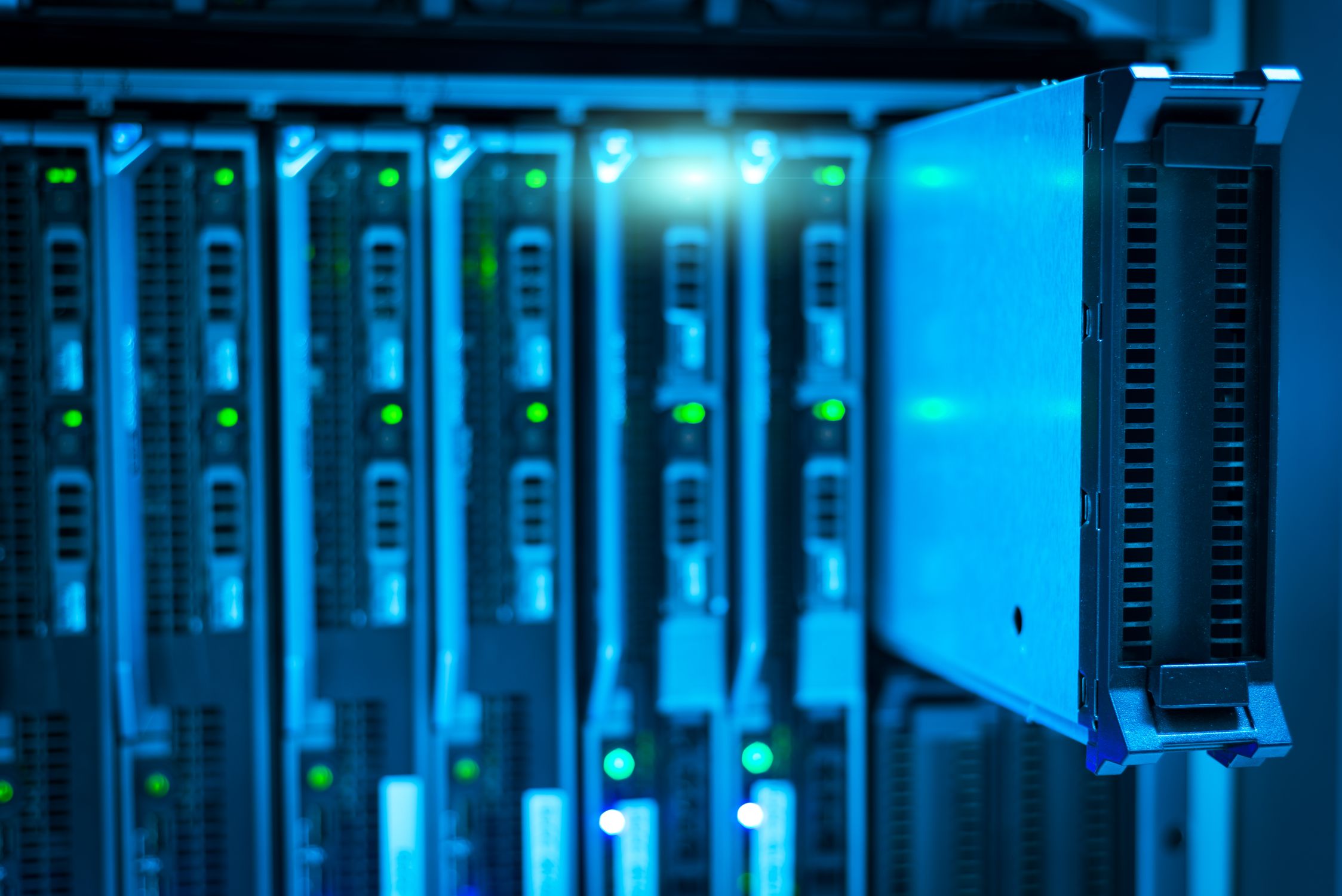
Bitcoin mining colocation means housing your mining hardware in a professional data center or hosting facility instead of running it at home or in your own building. You own the miners. The facility provides the power, cooling, internet connectivity, physical security, and ongoing monitoring. Think of it as renting premium infrastructure for your equipment — the same way businesses rent server space in data centers instead of building their own.
The host charges a monthly fee, typically calculated on a per-kilowatt-hour (kWh) basis. You retain full ownership of your hardware and the Bitcoin it produces. The host simply provides the environment that keeps your machines running at peak performance around the clock.
How Colocation Works in Practice
The process is simpler than most new miners expect:
- Choose a hosting provider — Research facilities based on power rates, location, uptime guarantees, and reputation. Rax Mining offers multiple hosting tiers starting at $0.075/kWh.
- Select a hosting plan — Plans are usually structured by power allocation (measured in kilowatts). A single Antminer S21 Pro draws about 3.5 kW, so a 10 kW plan would accommodate roughly 2-3 machines.
- Ship your hardware — Most providers accept direct shipments from manufacturers or from your location. Some facilities also sell hardware directly.
- The host racks and configures your miners — Technicians install your machines, connect them to your mining pool, and configure monitoring.
- You monitor remotely — Most hosts provide a dashboard or remote access so you can check hash rates, temperatures, and uptime from anywhere.
- Collect your Bitcoin — Mining rewards go directly to your wallet. The host never touches your crypto.
Colocation vs Home Mining: Why the Difference Matters
Running miners at home seems appealing until you experience the reality. A single Antminer S21 Pro produces roughly 75 decibels of noise — louder than a vacuum cleaner running 24 hours a day. It generates significant heat that can overwhelm residential HVAC systems. And residential electricity rates in most of the United States range from $0.10 to $0.25 per kWh, making profitability difficult or impossible.
Compare that to colocation at $0.075/kWh with industrial-grade cooling, 99%+ uptime, and zero noise in your living space. The math favors colocation overwhelmingly for anyone running more than a single machine.
| Factor | Home Mining | Colocation |
|---|---|---|
| Power Cost | $0.10 – $0.25/kWh | $0.055 – $0.075/kWh |
| Uptime | 85 – 95% | 98 – 99.5% |
| Noise | Constant 75+ dB | Zero (off-site) |
| Cooling | DIY / residential HVAC | Industrial grade |
| Security | Personal responsibility | 24/7 surveillance |
| Scalability | Limited by circuits | Megawatts available |
What to Look for in a Colocation Provider
Not all hosting facilities are created equal. Here are the factors that separate a reliable provider from one that will cost you money in downtime and frustration:
- Power rate transparency — The all-in rate should include power, cooling, and basic management. Watch out for hidden fees for racking, network, or minimum commitments.
- Uptime track record — Ask for historical uptime data. Anything below 98% should raise flags. Even 1% downtime costs you real Bitcoin over a year.
- Cooling infrastructure — ASIC miners generate tremendous heat. Facilities should use industrial ventilation, evaporative cooling, or immersion cooling depending on climate and scale.
- Physical security — Cameras, access controls, on-site personnel. Your hardware is valuable and should be protected accordingly.
- Geographic location — States with low energy costs and favorable regulations give you an edge. Rax Mining operates across 27 states with facilities positioned in the best mining jurisdictions.
- Communication and support — How quickly does the host respond when a machine goes down? Can you reach a human, or just a ticket system?
Typical Colocation Costs
Colocation pricing varies by provider, location, and scale. Here is a general range for the U.S. market:
- Economy tier: $0.065 – $0.085/kWh (basic facilities, often in cooler climates)
- Standard tier: $0.055 – $0.065/kWh (professional facilities with good uptime)
- Premium tier: $0.045 – $0.075/kWh (large-scale operations with volume discounts)
At Rax Mining, hosting rates start at $0.075/kWh with no hidden fees. Run the numbers on our profitability calculator to see exactly how colocation improves your returns compared to home mining.
Is Colocation Right for You?
If you own even one ASIC miner and your residential electricity rate exceeds $0.08/kWh, colocation almost certainly improves your bottom line. For miners with two or more machines, the case is even stronger — you eliminate noise, heat, and risk while gaining professional infrastructure and lower power costs.
Ready to explore colocation for your mining equipment? Book a free 20-minute consultation with our team. We will walk you through our hosting tiers, help you choose the right plan, and show you how colocation can transform your mining operation from a noisy expense into a serious income stream.
Explore Rax Mining
- Bitcoin Miner Hosting — Competitive rates from $0.075/kWh
- NatGas MDU Units — 1MW modular datacenter containers
- Mining Profitability Calculator — Estimate your mining returns
- Our Facility — Tour our mining infrastructure