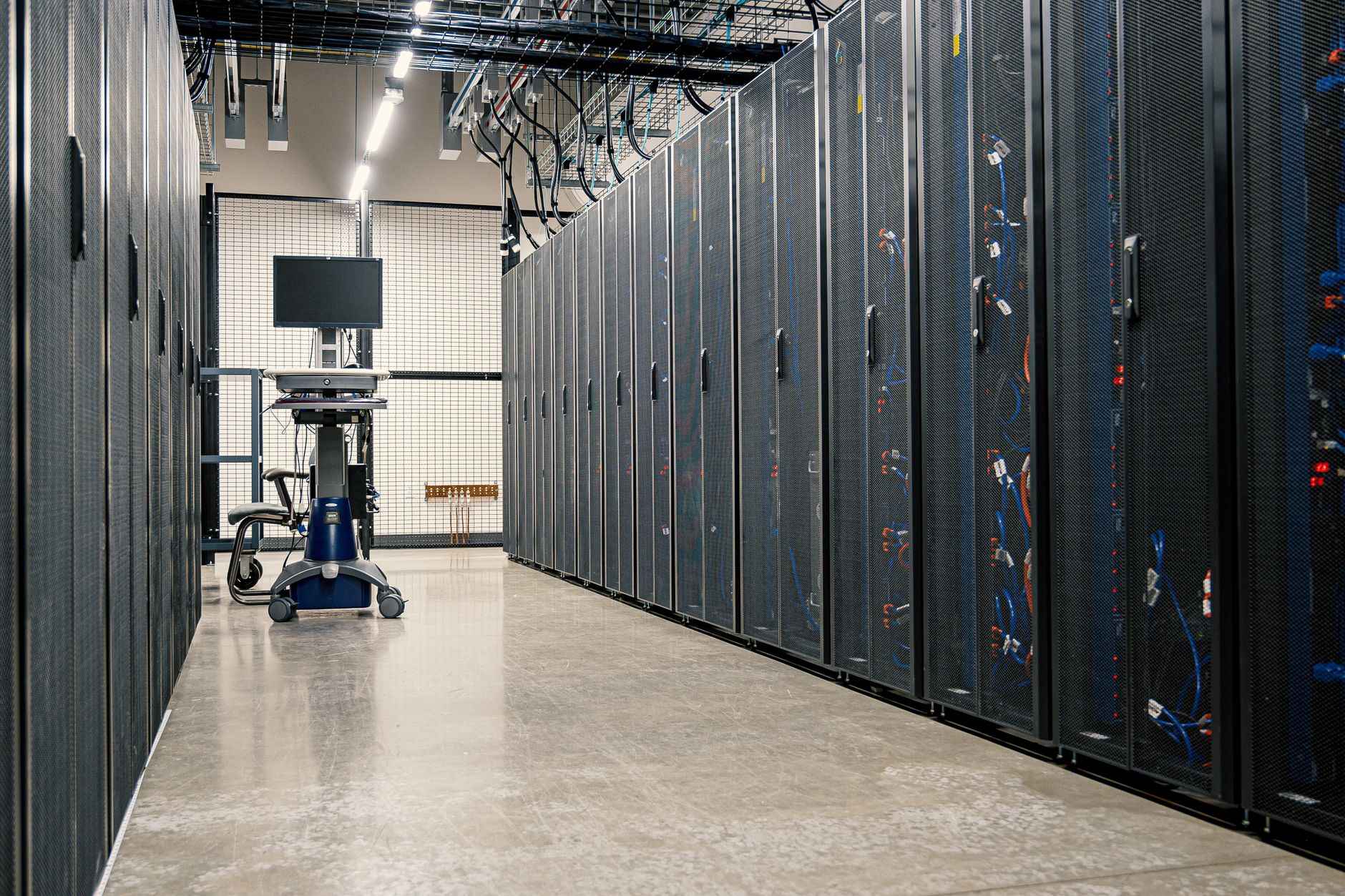
You have spent tens of thousands of dollars on ASIC miners. They are generating revenue around the clock at a hosting facility, humming away in carefully cooled rows. Then a transformer blows. A fire breaks out in an adjacent unit. A severe storm knocks power offline for a week. Suddenly, your entire mining operation is dark, and you are left wondering: who pays for this?
Most miners spend hours comparing hash rates and electricity costs but never spend ten minutes thinking about insurance. That gap between investment and protection is where fortunes disappear. Whether you self-host or use a colocation provider like Rax Mining, understanding what insurance you need, what it actually covers, and where the gaps hide is essential to protecting your bottom line.
Why Bitcoin Miners Need Specialized Insurance
Standard commercial property insurance was not designed for bitcoin mining. Underwriters who handle office buildings and retail spaces often do not understand ASIC depreciation curves, the revenue impact of hash rate loss, or the unique fire risks that come with running thousands of watts of computing power in a confined space.
Here is the core problem: a single Bitmain Antminer S21 XP Hyd costs between $8,000 and $12,000. A facility running 500 units has $4 million to $6 million in hardware alone sitting on racks. Standard business property policies routinely exclude, sublimit, or misclassify this equipment. Miners who assume their landlord’s policy or a generic business owner’s policy covers them often discover the truth only after a loss event, when it is too late.
Specialized mining insurance exists precisely because the risk profile is unlike any other industry. High electrical loads, continuous 24/7 operation, rapid hardware depreciation, and volatile revenue streams all demand coverage written by underwriters who understand the space.
Types of Coverage Every Miner Should Consider
Property and Equipment Coverage
This is the foundation. Property coverage protects your physical ASIC miners, power supply units, networking equipment, cooling systems, and any other hardware you own. The key distinction is between replacement cost coverage, which pays to replace equipment with comparable new hardware, and actual cash value coverage, which deducts depreciation.
For mining hardware that depreciates quickly, replacement cost coverage is almost always worth the higher premium. An S19j Pro purchased two years ago might have an actual cash value of $800, but replacing it with a current-generation equivalent costs $5,000 or more. Use our mining profitability calculator to understand how equipment replacement costs affect your return on investment.
Equipment Breakdown Coverage
Sometimes called mechanical breakdown or boiler and machinery coverage, this protects against internal equipment failures that are not caused by external events. When a hash board fails due to a manufacturing defect after the warranty expires, or a PSU suffers an internal short, equipment breakdown coverage steps in where standard property coverage stops.
This is particularly important for miners running older hardware where component failures become more frequent. Hash board repairs alone can cost $200 to $500 per board plus shipping, and a single miner has three or four boards.
Business Interruption Coverage
This is the coverage most miners overlook and the one that often matters most. Business interruption insurance compensates you for lost mining revenue when a covered event forces your operation offline. If a fire shuts down your hosting facility for three months, business interruption coverage pays what you would have earned during that period based on your historical hash rate and bitcoin price.
Pay close attention to two policy terms:
- Waiting period: The number of hours or days before coverage activates. Typical waiting periods range from 24 to 72 hours. A 72-hour waiting period means three full days of lost revenue before the policy starts paying.
- Indemnity period: How long the coverage lasts. With ASIC replacement lead times sometimes stretching to five months or more, a 12-month indemnity period is the minimum for meaningful protection.
General Liability Coverage
If you own or lease facility space, general liability protects against third-party claims. A visitor trips over a cable run. Noise from your operation leads to a nuisance lawsuit. Electrical work causes damage to a neighboring tenant. These scenarios are rare but financially devastating without coverage.
Transit and Installation Coverage
ASIC miners are fragile. Shipping damage is one of the most common loss events in the industry. Transit coverage protects your equipment from the moment it leaves the seller until it arrives and is installed at your facility. Many standard property policies explicitly exclude property in transit, making this a critical add-on for miners who regularly buy, sell, or relocate hardware.
What Mining Insurance Typically Costs
Premiums vary widely based on location, facility type, total insured value, and loss history. As a rough benchmark:
- Property coverage: 1% to 3% of total insured equipment value annually. A $1 million equipment portfolio might cost $10,000 to $30,000 per year to insure.
- Business interruption: Often bundled with property coverage or available as a rider at 10% to 25% additional premium.
- General liability: $1,000 to $5,000 per year for most small to mid-size operations.
- Equipment breakdown: Typically 15% to 30% on top of the base property premium.
These costs should be factored into your total cost of mining alongside electricity, hosting fees, and maintenance. For many operations, insurance adds $0.002 to $0.005 per kilowatt-hour equivalent to operating costs, a small price for protecting a six- or seven-figure hardware investment.
Common Exclusions and Policy Gaps
Every mining insurance policy has exclusions. Knowing them in advance prevents nasty surprises during a claim:
- Wear and tear: Normal degradation of fans, thermal paste, and connectors is not covered. Budget separately for routine maintenance and replacement parts.
- Voluntary shutdown: If you turn off miners for economic reasons (bitcoin price drop, high electricity costs), business interruption does not apply.
- Utility curtailment: Some policies exclude revenue loss from grid operator curtailment events. This is important for operations in areas with demand response programs.
- Crypto price volatility: Business interruption payouts are typically calculated using the bitcoin price at the time of the event, not at the time of settlement. A price spike during your downtime does not increase your payout.
- Improper installation: If equipment was not installed according to manufacturer specifications and that contributes to a loss, coverage may be denied.
- Flood and earthquake: Often excluded from standard policies and require separate riders, especially relevant for facilities in flood-prone areas or seismic zones.
How Hosting Providers Handle Insurance
If you host your miners at a colocation facility, understanding the provider’s insurance is just as important as your own. At Rax Mining’s facility, the hosting provider carries insurance on the building, electrical infrastructure, and cooling systems. But the critical question is: does that coverage extend to YOUR equipment?
In most hosting arrangements, the provider’s policy covers the facility but not individual customer hardware. You are responsible for insuring your own miners. Review your hosting service agreement carefully. Key provisions to look for include:
- Liability caps: Most agreements limit the provider’s liability to a multiple of monthly hosting fees, not the full replacement value of your equipment.
- Force majeure clauses: These typically excuse the provider from liability for natural disasters, utility failures, and other events beyond their control.
- Proof of insurance requirements: Some providers require customers to carry their own coverage and name the provider as an additional insured.
Choosing the Right Insurance Provider
The mining insurance market is still maturing, but several carriers and brokers now specialize in this space:
- Specialty crypto insurers: Companies like Evertas and Relm Insurance focus exclusively on digital asset and mining operations. They understand ASIC valuation, hash rate economics, and facility risk profiles.
- Lloyd’s syndicates: Several Lloyd’s of London syndicates now write mining coverage, bringing deep underwriting expertise and financial strength.
- Specialty brokers: Working with a broker who understands mining operations can help you assemble the right combination of policies and negotiate favorable terms.
When evaluating providers, ask for their claims history with mining clients, their understanding of ASIC valuation methods, and how they handle business interruption calculations for cryptocurrency operations.
Frequently Asked Questions
Does my hosting provider’s insurance cover my miners?
Almost never. Hosting providers insure their own facility, infrastructure, and liability. Your individual ASIC miners are your responsibility to insure unless the hosting agreement explicitly states otherwise.
Is bitcoin mining insurance tax deductible?
In most jurisdictions, insurance premiums for business equipment are a deductible business expense. Consult your tax advisor for guidance specific to your situation and filing status.
What happens if bitcoin’s price changes between the loss event and the claim payout?
Business interruption payouts are typically calculated using the bitcoin price at or near the time of the loss event, not at claim settlement. This protects both the insurer and the policyholder from speculative claims but also means a post-loss price increase does not benefit you.
Should I insure older miners that are close to end of life?
It depends on their current revenue contribution and replacement plans. If older miners are still profitable at your electricity rate, equipment breakdown coverage may be worthwhile. If they are marginal, the premium might exceed their remaining economic value.
How do I document my equipment for insurance purposes?
Maintain a detailed equipment register including serial numbers, purchase dates, purchase prices, and current hash rates. Photograph each unit and keep copies of all purchase receipts. Update this register whenever you add or remove miners.
Protect Your Investment Before You Need To
Insurance is the part of bitcoin mining that nobody finds exciting, but everyone wishes they had when something goes wrong. The cost of proper coverage is a fraction of the cost of an uninsured loss, and the peace of mind it provides lets you focus on what actually matters: optimizing your hash rate and growing your operation.
Whether you are deploying your first batch of miners or scaling to megawatt-level operations, take the time to build an insurance program that matches your risk exposure. Review your hosting agreement, document your equipment, and work with a broker who understands this industry.
Ready to host your miners at a facility that takes infrastructure protection seriously? Contact Rax Mining to learn about our ASIC hosting services and how we protect the facilities that protect your investment.
Explore Rax Mining
- Bitcoin Miner Hosting — Competitive rates from $0.075/kWh
- NatGas MDU Units — 1MW modular datacenter containers
- Mining Profitability Calculator — Estimate your mining returns
- Our Facility — Tour our mining infrastructure