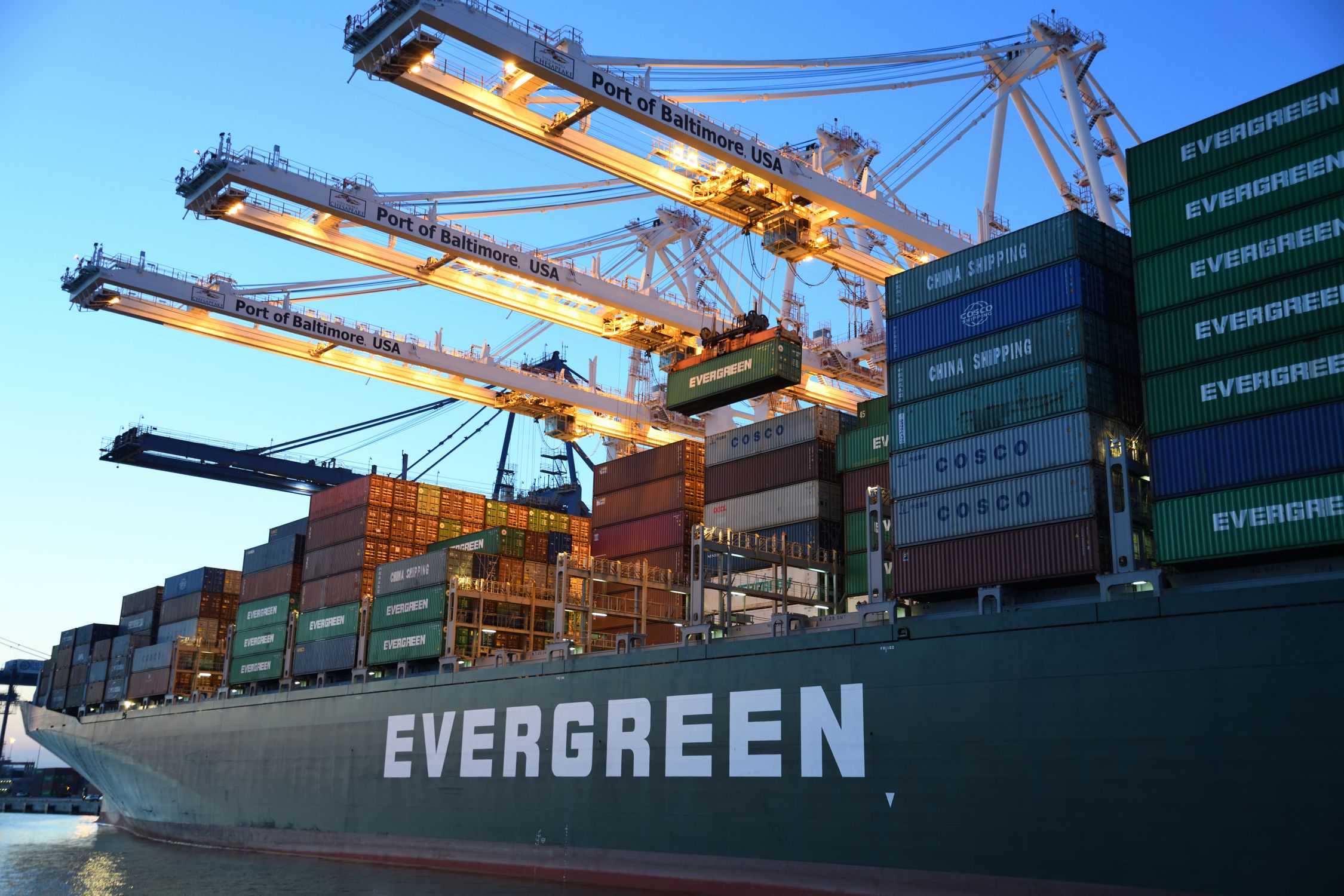
Every ASIC miner deployed in the United States was manufactured overseas — primarily in China, Malaysia, Thailand, and Indonesia. That means every unit crosses a customs border, and the import duties applied at that border directly affect your hardware cost basis, your break-even timeline, and ultimately whether a mining investment pencils out. With trade policy shifting frequently and tariff schedules running hundreds of pages, understanding how import duties interact with mining economics is a competitive advantage most operators overlook.
Current Tariff Landscape for ASIC Miners
ASIC miners are classified under the Harmonized Tariff Schedule (HTS) as specialized computing equipment. The applicable tariff rate depends on the country of manufacture and any active trade actions:
| Country of Origin | Major Manufacturers | Base Duty Rate | Section 301 / Additional Tariffs | Effective Total Rate |
|---|---|---|---|---|
| China | Bitmain (Antminer), MicroBT (Whatsminer) | 0-2.6% | 25% (Section 301, List 3/4A) | 25-27.6% |
| Malaysia / Thailand | Bitmain (some models), MicroBT (some models) | 0-2.6% | None currently | 0-2.6% |
| Indonesia | Bitmain (newer facilities) | 0-2.6% | None currently | 0-2.6% |
Important note: Tariff rates and trade policies change. The rates above reflect the landscape at time of writing but can shift with new executive orders, trade negotiations, or congressional action. Always verify current rates with a licensed customs broker before making purchasing decisions.
How Tariffs Affect Mining ROI
A 25% import tariff on a $3,000 ASIC miner adds $750 to the landed cost, pushing the total to $3,750. At scale, this compounds dramatically:
| Fleet Size | Unit Cost (Pre-Tariff) | 25% Tariff Cost | Total Tariff Burden | Break-Even Extension |
|---|---|---|---|---|
| 10 miners | $30,000 | $7,500 | $7,500 | +2-3 months |
| 100 miners | $300,000 | $75,000 | $75,000 | +2-3 months |
| 500 miners | $1,500,000 | $375,000 | $375,000 | +2-3 months |
| 1,000 miners | $3,000,000 | $750,000 | $750,000 | +2-3 months |
The break-even extension is roughly proportional regardless of fleet size because both the tariff cost and mining revenue scale linearly. However, the cash flow impact is more acute for smaller operators who have tighter capital reserves. A $7,500 tariff bill on 10 miners is manageable; a $750,000 tariff bill on 1,000 miners requires financing capacity that not every operation has.
When calculating mining profitability, the tariff-inclusive hardware cost should be your CapEx input, not the pre-tariff manufacturer price. Using the wrong number inflates projected returns and leads to overly optimistic break-even estimates.
Strategies to Manage Tariff Exposure
1. Source from Non-Tariffed Countries
Both Bitmain and MicroBT have expanded manufacturing outside China specifically to serve the U.S. market. Antminer units manufactured in Malaysia, Thailand, or Indonesia may qualify for the lower base duty rate without the 25% Section 301 surcharge. When purchasing hardware, explicitly request the country of origin and verify it matches the documentation on the commercial invoice.
Be aware: customs authorities scrutinize country-of-origin claims for goods that previously attracted tariffs. “Substantial transformation” rules determine whether assembly in a third country genuinely changes the origin classification. Simply repackaging Chinese-manufactured units in Malaysia does not change the origin.
2. Foreign Trade Zones (FTZs)
Foreign Trade Zones are designated areas within the United States where goods can be imported, stored, and processed without immediately paying customs duties. For mining operations, an FTZ can:
- Defer duty payment until equipment exits the zone (improving cash flow timing)
- Eliminate duties on equipment that is later re-exported (relevant for miners selling used hardware internationally)
- Apply inverted tariffs if the duty rate on finished goods is lower than on components
FTZ benefits require applying to the Foreign-Trade Zones Board and maintaining compliance with CBP (Customs and Border Protection) regulations. The administrative overhead makes FTZs most practical for operations importing 500+ units annually.
3. Tariff Engineering
HTS classification is not always straightforward. ASIC miners can potentially be classified under different headings depending on how they are described and configured. A qualified customs broker specializing in electronics can review the classification to ensure the most favorable legitimate rate applies. This is not about evasion — it is about ensuring correct classification under a complex tariff schedule.
4. Buy Domestic or Pre-Imported Inventory
Purchasing from U.S.-based resellers who have already imported the hardware means the tariff cost is baked into the purchase price. While you are still paying the tariff indirectly, this approach eliminates customs processing delays, bonding requirements, and the risk of goods being held at the port. It also simplifies tax depreciation since the cost basis is the purchase price, not a combination of hardware cost + duty + freight + brokerage.
5. Time Purchases Strategically
Tariff policy shifts with political cycles. Section 301 tariffs have been modified, suspended, and reimposed multiple times since their initial implementation. Monitoring trade policy developments and timing large hardware purchases around favorable windows can save significant capital. Subscribe to trade policy alerts from your customs broker or the U.S. International Trade Commission.
Accounting for Tariffs
For accounting purposes, import duties are capitalized as part of the asset cost, not expensed separately. This means:
- The tariff amount is added to the hardware cost basis for depreciation calculations
- If using Section 179 or bonus depreciation, the tariff amount is included in the deductible amount
- For resale value calculations, the tariff-inclusive cost basis determines your gain or loss on disposition
The Broader Picture: Trade Policy and Mining Geography
Import tariffs are one of several factors driving the geographic distribution of mining globally. Countries with free trade agreements, lower duties, or domestic ASIC manufacturing have structural advantages in hardware cost. U.S. miners compensate through other advantages: competitive power rates in key states, strong rule of law, access to capital markets, and proximity to behind-the-meter energy sources.
When evaluating the total cost of a mining operation, tariffs are a CapEx-phase cost that should be modeled alongside hardware price, shipping, electrical infrastructure, and site selection costs.
Need help modeling the full cost structure for your mining operation, including tariff-adjusted hardware costs? Schedule a consultation with Rax Mining, or explore our colocation hosting plans where hardware procurement is simplified through our established supply chain relationships.
Explore Rax Mining
- Bitcoin Miner Hosting — Competitive rates from $0.075/kWh
- NatGas MDU Units — 1MW modular datacenter containers
- Mining Profitability Calculator — Estimate your mining returns
- Our Facility — Tour our mining infrastructure