Why Site Selection Is the Most Consequential Decision in Bitcoin Mining
Every aspect of a mining operation’s economics flows from two foundational decisions: where you put the machines and what you pay for electricity. Hardware depreciates, network difficulty rises, and Bitcoin’s price fluctuates — but your site location and power contract lock in the floor of your cost structure for years. A miner paying $0.04/kWh at a well-selected site can remain profitable through conditions that bankrupt a competitor paying $0.07/kWh just two states away.
In 2026, with network difficulty above 130 trillion and hashprice below $35/PH/day, the margin for error in site selection has effectively disappeared. The difference between a $0.04/kWh and a $0.06/kWh power rate on a 10MW facility is roughly $1.75 million per year in operating costs. Over a typical 3-5 year facility lifecycle, that delta exceeds the capital cost of the mining hardware itself.
The Seven Critical Criteria for Mining Site Evaluation
Professional mining operators evaluate potential sites across seven dimensions, weighted by their specific operational model (self-hosted, colocation, behind-the-meter, or mobile):
1. Power Cost and Rate Structure
The delivered cost of electricity — not just the generation rate — determines profitability. Total cost includes the energy charge ($/kWh), demand charges ($/kW of peak draw), transmission and distribution adders, regulatory fees, and applicable taxes. A site advertising $0.04/kWh energy may have $0.015/kWh in adders, bringing the all-in rate to $0.075/kWh.
Key rate structure considerations:
- Fixed vs. variable rates: Fixed-rate contracts provide cost certainty but may price above market during low-demand periods. Index-linked or real-time pricing contracts allow miners to capture low-cost hours but introduce revenue volatility.
- Demand charges: Some utilities impose monthly demand charges based on your peak 15-minute power draw. A 10MW facility with a $10/kW demand charge pays an additional $100,000/month regardless of energy consumption. Sites with zero or low demand charges are strongly preferred.
- Time-of-use differentials: In markets with significant peak/off-peak price spreads, miners can reduce costs by curtailing during expensive hours and maximizing output during cheap hours. ERCOT’s real-time pricing in West Texas regularly drops below $0.02/kWh during overnight wind production.
- Escalation clauses: Review how rates change over the contract term. A 3% annual escalation on a 5-year contract means your Year 5 rate is 12.5% higher than Year 1. In a difficulty-growth environment, rising power costs compound the squeeze on margins.
2. Power Capacity and Reliability
Available power capacity determines your maximum scale, while reliability determines your actual uptime — and therefore your realized hashrate and revenue. Key metrics include:
- Available capacity (MW): Confirm not just the nameplate capacity of the interconnection but the actual available capacity after accounting for other loads on the same feeder or substation. A 15MW substation serving 10MW of existing load has only 5MW available for mining.
- N-1 redundancy: For mission-critical operations, verify whether the power supply has redundant paths. A single-transformer feed means one equipment failure takes your entire site offline. Dual-feed substations or on-site backup generation mitigate this risk.
- Historical outage data: Request the utility’s SAIDI (System Average Interruption Duration Index) and SAIFI (System Average Interruption Frequency Index) for the specific feeder serving your site. Anything above 2 hours SAIDI or 1.5 SAIFI events per year warrants concern.
- Voltage stability: ASICs are sensitive to power quality. Sites at the end of long rural distribution lines may experience voltage fluctuations that cause miner instability and increased hardware error rates.
3. Climate and Cooling Economics
Ambient temperature directly affects cooling costs, which represent 15-35% of total facility energy consumption depending on cooling method and climate. A site in North Dakota with a mean annual temperature of 5 degrees Celsius (41 degrees Fahrenheit) can leverage free air cooling for 8-10 months of the year, while a site in Texas requires mechanical cooling for 7-9 months.
Evaluate sites using cooling degree days (CDD) and the number of hours per year above 35 degrees Celsius (95 degrees Fahrenheit), which is the upper threshold for efficient air-cooled ASIC operation. Sites with fewer than 500 hours above this threshold can run free-air cooling almost exclusively, achieving power usage effectiveness (PUE) ratios of 1.05-1.10 versus 1.25-1.40 for mechanically cooled facilities in hot climates.
4. Regulatory and Permitting Environment
The regulatory landscape for Bitcoin mining varies dramatically by jurisdiction and can add 3-18 months to site development timelines. Critical regulatory factors include:
- Zoning: Mining operations are classified differently across municipalities — as data centers, industrial facilities, or sometimes as a novel category requiring special use permits. Confirm zoning compatibility before signing any land or power agreement.
- Noise ordinances: Air-cooled mining containers generate 70-85 dB at the source. Local noise limits (typically 55-65 dB at the property line for industrial zones) may require sound barriers, setback distances, or fan modifications that add $50,000-$200,000 to site development costs.
- Environmental review: Some jurisdictions require environmental impact assessments for large power consumers, particularly if the power source involves fossil fuels. These reviews can take 6-12 months and may impose operational restrictions.
- Moratoriums: Several U.S. states and municipalities have enacted temporary or permanent moratoriums on new mining operations. Research active and pending legislation before committing to a site.
5. Connectivity and Latency
Mining requires reliable internet connectivity but is relatively insensitive to latency compared to other data center applications. A stable 10-50 Mbps connection is sufficient for a 10MW facility. However, the key concern is redundancy: a single internet connection failure halts revenue generation for the entire facility.
Best practice is dual-provider connectivity with automatic failover. In rural locations where wired broadband options are limited, Starlink or fixed wireless provides an effective backup path. Budget $500-$2,000/month for redundant connectivity at a 10MW-scale facility.
6. Physical Security and Access
Mining hardware is compact, valuable, and portable — making it an attractive target for theft. Site security considerations include perimeter fencing (minimum 8-foot chain link with barbed wire), surveillance cameras with remote monitoring, controlled access (badge or biometric), adequate lighting, and proximity to law enforcement response. Remote sites offer cheaper land and power but may require on-site security personnel, adding $150,000-$300,000 annually.
7. Expansion Potential
A site that is ideal at 5MW but cannot scale beyond 10MW limits your growth trajectory. Evaluate the maximum power capacity available at the site or from the serving utility, the physical space for additional containers or buildings, and the utility’s willingness to invest in infrastructure upgrades (new transformers, dedicated feeders) to support your growth. The best sites offer a clear path from initial deployment to 10-50MW or more without requiring a new utility interconnection agreement.
Power Contract Structures for Bitcoin Mining
The power contract is the single most important document in a mining operation. Its terms determine your cost floor for the duration of the agreement. Understanding the available contract structures — and negotiating effectively within each — is a core competency for professional miners.
Fixed-Rate Power Purchase Agreements (PPAs)
Fixed-rate PPAs lock in a specific $/kWh rate for a defined term, typically 3-10 years. They provide cost certainty, simplify financial modeling, and protect against rate increases. The tradeoff is that you cannot capture below-market prices during periods of excess generation or low demand.
Negotiation leverage increases with load size. A 1MW customer has limited bargaining power; a 10MW customer is a significant load for most rural utilities; a 50MW customer may be the single largest customer on a distribution system. Use your load size to negotiate favorable rates, demand charge waivers, and term flexibility.
Index-Linked and Real-Time Pricing Contracts
In deregulated markets like ERCOT (Texas), PJM (Mid-Atlantic), and MISO (Midwest), miners can procure power at wholesale market prices plus a retail margin. These contracts expose miners to price volatility but allow access to the lowest market rates during off-peak hours.
The key to profiting on index-linked pricing is automated curtailment: the ability to shut down miners within minutes when prices spike above your breakeven threshold. A 10MW ERCOT operation with a $0.065/kWh breakeven that curtails during the approximately 500 hours per year when prices exceed $0.10/kWh can achieve a blended annual rate of $0.035-$0.045/kWh — well below any available fixed rate.
Behind-the-Meter Agreements
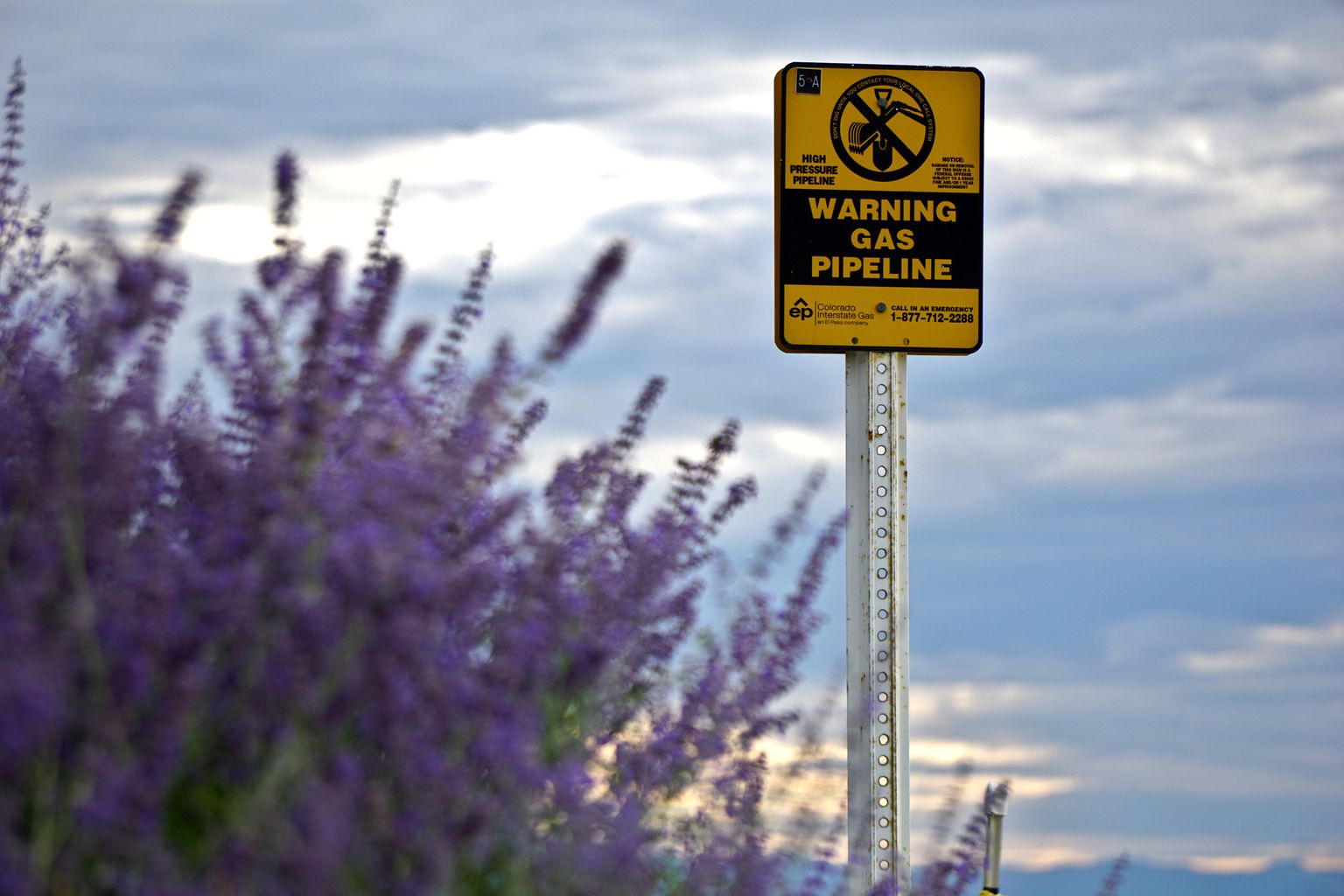
Behind-the-meter (BTM) arrangements place mining equipment directly at a generation source — a natural gas wellhead, solar farm, wind farm, or stranded gas site. The miner buys power directly from the generator, bypassing transmission, distribution, and most regulatory charges.
BTM economics are compelling: the generator gains a guaranteed offtaker for power that might otherwise be curtailed or flared, while the miner accesses electricity at $0.02-$0.04/kWh. These arrangements are particularly attractive at stranded natural gas sites, where the alternative to mining is literally burning the gas for zero revenue.
Key BTM contract elements include:
- Take-or-pay minimums: Generators may require miners to purchase a minimum volume regardless of profitability. Negotiate force majeure provisions that suspend minimums during extended BTC price crashes.
- Curtailment rights: Clarify who has the right to curtail power during grid emergencies or maintenance. Unilateral curtailment rights by the generator without compensation erode mining economics.
- Term and renewal: BTM agreements should align with your hardware depreciation schedule (typically 3-5 years). Include renewal options at predetermined rates to protect against renegotiation at disadvantageous terms.
Interruptible Rate Tariffs
Some utilities offer interruptible or curtailable rate tariffs that provide a significant discount (typically 15-30% below standard industrial rates) in exchange for the right to interrupt your power during grid stress events. For mining operations, this is often an excellent deal: you get cheap power during 95-98% of hours, and during the 2-5% of hours when you are curtailed, you would likely want to shut down anyway because wholesale prices are extremely high.
The critical negotiation points for interruptible tariffs are the maximum annual curtailment hours (push for 200 hours or fewer), the minimum notification period before curtailment (push for 30 minutes or more to allow orderly shutdown), and penalties for non-compliance (ensure they are proportional, not punitive).
Demand Response: Getting Paid to Power Down
Beyond interruptible tariffs, many grid operators run formal demand response programs that pay large flexible loads to curtail during system emergencies. Bitcoin mining is an ideal demand response asset because miners can reduce load from 100% to 0% within seconds, with no physical damage or data loss from abrupt shutdown.
In ERCOT’s Emergency Response Service (ERS) program, miners earn $50,000-$200,000 per MW per year in capacity payments for committing to curtail when called. Participation requires automated load-shedding capability (typically SCADA-integrated), minimum 1MW of curtailable load, and commitment to respond within 10-30 minutes of dispatch.
PJM’s capacity market offers similar economics through its Demand Response programs, while MISO and ISO-NE have their own variants. For a 10MW operation, demand response revenue of $500,000-$2,000,000 per year can offset 20-40% of annual electricity costs, effectively lowering the all-in power rate by $0.01-$0.025/kWh.
The Site Selection Checklist: A Decision Framework
Before committing to any site, score it across these dimensions (each on a 1-5 scale):
- All-in power cost (weighted 30%): $0.03/kWh or less = 5; $0.04-$0.05 = 4; $0.05-$0.065 = 3; $0.065-$0.08 = 2; above $0.08 = 1.
- Power reliability (weighted 20%): Dual-feed, less than 1hr SAIDI = 5; Single-feed, less than 4hr SAIDI = 3; Unreliable or undocumented = 1.
- Climate/cooling advantage (weighted 15%): Mean temp below 10C = 5; 10-20C = 4; 20-30C = 3; above 30C = 2.
- Regulatory clarity (weighted 15%): Mining-friendly jurisdiction with clear permits = 5; Neutral = 3; Hostile or uncertain = 1.
- Expansion potential (weighted 10%): 50MW+ available = 5; 10-50MW = 4; 5-10MW = 3; less than 5MW = 2.
- Security and access (weighted 10%): Staffed, fenced, monitored = 5; Basic security = 3; Unsecured = 1.
A weighted score above 4.0 indicates an excellent site. Below 3.0 suggests you should continue searching. The best sites in the current market are in West Texas (ERCOT), the Dakotas, Upstate New York (where available), Quebec, and parts of Scandinavia.
Common Site Selection Mistakes That Destroy Margins
Experienced miners have learned these lessons the hard way. Avoid these common errors:
- Ignoring demand charges: A $0.04/kWh energy rate with a $15/kW demand charge on a 10MW facility adds $150,000/month to your bill — equivalent to raising the effective rate to $0.065/kWh.
- Underestimating utility interconnection timelines: Connecting a 5MW+ load to the grid often requires transformer upgrades, feeder extensions, or substation modifications that take 6-18 months and cost $200,000-$2,000,000. Factor these costs and timelines into your site evaluation.
- Choosing remote sites without redundant connectivity: A 48-hour internet outage at a remote site with no backup connectivity costs roughly $50,000-$150,000 in lost mining revenue for a 10MW operation.
- Neglecting power quality: Voltage sags, harmonics, and frequency instability cause ASIC hash errors, reduce effective hashrate, and shorten hardware lifespan. Install power quality monitors during site due diligence, not after deployment.
Partnering With an Experienced Hosting Provider
For miners who want to focus on hardware ownership without managing site selection, permitting, construction, and ongoing facility operations, colocation hosting provides turnkey access to professionally managed facilities at sites selected by experienced operators.
Rax Mining operates facilities across multiple strategic locations chosen for power cost, reliability, and cooling efficiency. Our hosting rates start at $0.075/kWh, reflecting the power procurement advantages of large-scale operations. For miners exploring natural gas or behind-the-meter opportunities, our MDU (Mobile Data Unit) program provides containerized mining solutions deployable at stranded gas sites.
Whether you are evaluating sites for self-hosted deployment or considering colocation, understanding the fundamentals of site selection and power contract negotiation will inform better decisions. Browse our available ASIC hardware or reach out to our team to discuss how Rax Mining can help you optimize your mining operation’s foundation — starting with the site and the power contract.
Explore Rax Mining
- Bitcoin Miner Hosting — Competitive rates from $0.075/kWh
- NatGas MDU Units — 1MW modular datacenter containers
- Mining Profitability Calculator — Estimate your mining returns
- Our Facility — Tour our mining infrastructure